Submarine cables connecting continents. Traffic robots regulating chaotic city streets. Plastic waste transformed into construction materials. Solar power brings electricity to communities that never had it. These aren’t just engineering projects. They’re solutions to Africa’s most pressing infrastructure challenges, designed and built by African women engineers.
The seven women featured here represent engineering at its most impactful. They’re not just applying technical knowledge. They’re identifying problems that affect millions, designing creative solutions, raising capital against significant odds, and building companies and innovations that transform how people live, work, and connect.
From electrical engineering and materials science to civil and industrial engineering, these women demonstrate that African engineering excellence exists across every discipline. Their work spans digital infrastructure, environmental sustainability, transportation, energy access, and capacity building for the next generation of engineers.
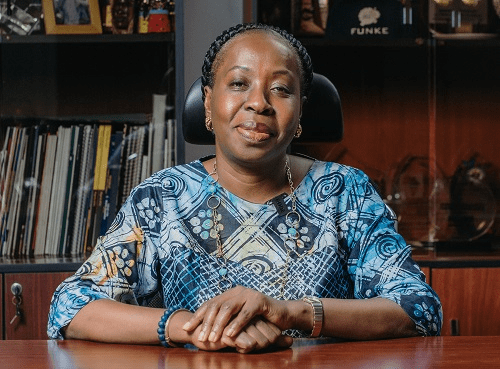
1. Funke Opeke: Connecting West Africa to the World
Funke Opeke is a Nigerian electrical engineer who founded MainOne, the company that built West Africa’s first privately owned, open-access submarine cable system. This 7,000-kilometer undersea fiber-optic cable connected Nigeria, Ghana, Côte d’Ivoire, Senegal, and Portugal when it was completed in 2010.
Before MainOne, Opeke worked as Executive Director at Verizon Communications in New York. When she returned to Nigeria as Chief Technical Officer at MTN in 2005, she was shocked by the poor internet connectivity. Internet access ran primarily through expensive satellite networks, making broadband prohibitively costly for most Nigerians.
In 2008, she founded MainOne and raised $240 million to build the submarine cable. The project crashed internet bandwidth prices by over 50 percent in Nigeria, enabling the rise of technology startups like Jumia, Konga, Paystack, and Flutterwave. In 2015, MainOne launched Nigeria’s largest Tier III Data Center.
Opeke’s achievements earned recognition including Forbes’ World’s Top 50 Women in Tech (2018), CNBC All Africa Businesswoman of the Year (2012), and Officer of the Order of the Niger (2022). In 2022, Equinix acquired MainOne for $320 million.
She holds bachelor’s and master’s degrees in electrical engineering from Obafemi Awolowo University and Columbia University. Similar to other African women revolutionizing technology, Opeke demonstrates how technical expertise combined with entrepreneurial vision creates transformative infrastructure.
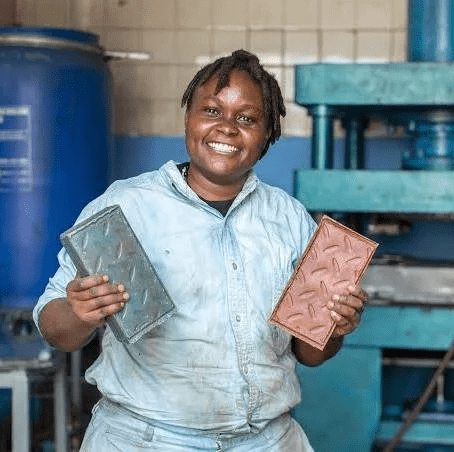
2. Nzambi Matee: Turning Plastic Waste Into Building Materials
Nzambi Matee is a Kenyan materials engineer who founded Gjenge Makers, a company that recycles plastic waste into durable, high-quality paving bricks. Her innovation addresses two critical challenges simultaneously: plastic pollution and affordable construction materials.
Gjenge Makers collects plastic waste that would otherwise end up in landfills or oceans and processes it into construction bricks that are stronger and lighter than concrete. The company produces approximately 1,500 bricks daily, having recycled over 20 tons of plastic waste.
Matee’s engineering background enabled her to develop the precise formulations and manufacturing processes needed to transform plastic waste into construction-grade materials. The bricks are not just environmentally friendly. They’re also cost-effective, making them accessible for affordable housing projects.
Her work earned her recognition as a 2020 Young Champion of the Earth by the United Nations Environment Programme. She was also featured on the BBC’s list of 100 Women in 2020.
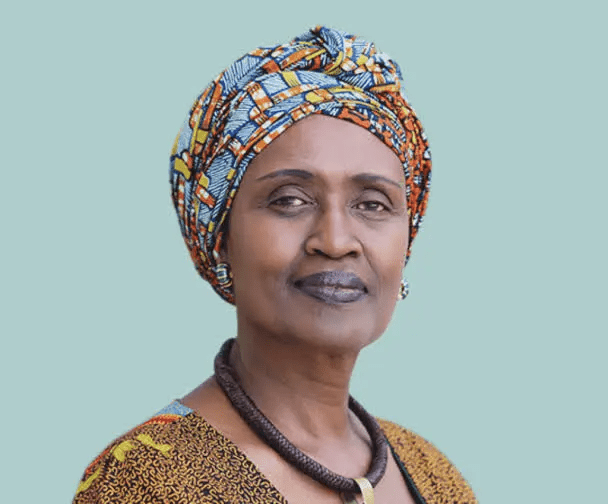
3. Winnie Byanyima: From Aeronautical Engineering to Global Leadership
Winnie Byanyima made history as the first Ugandan woman to earn a degree in aeronautical engineering. While her career evolved into international development and advocacy, her engineering foundation shaped her approach to problem-solving and systems thinking.
She currently serves as Executive Director of UNAIDS, leading global efforts to end AIDS as a public health threat. Before this role, she served as Executive Director of Oxfam International, one of the world’s largest poverty-fighting organizations.
Byanyima’s engineering training equipped her with analytical thinking and technical problem-solving skills that she applies to complex global health and development challenges. Her career demonstrates that engineering degrees open diverse pathways, including leadership roles addressing humanity’s biggest challenges.
She has been a tireless advocate for women’s rights, economic justice, and equitable development. Her engineering background provides credibility when discussing technology’s role in development and the importance of women in STEM fields for Africa’s future.
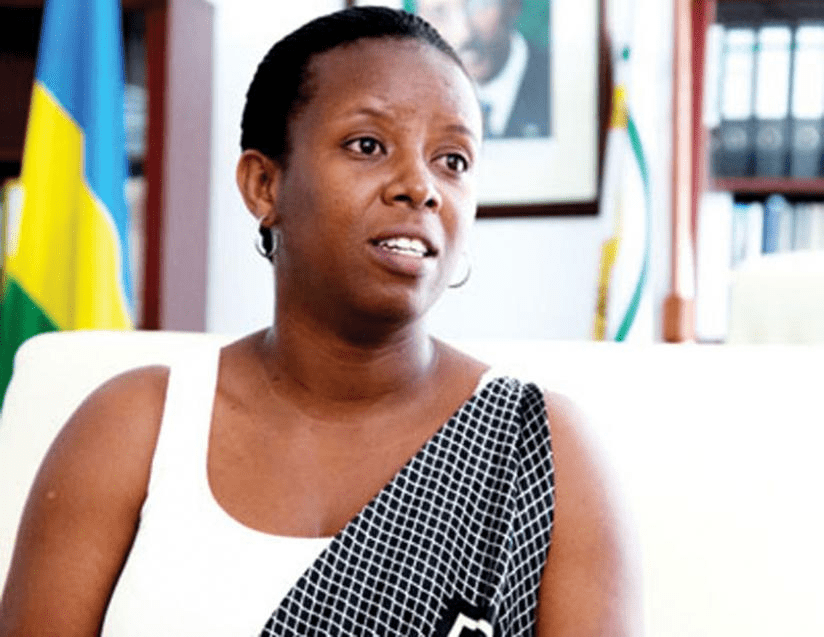
4. Germaine Kamayirese: Engineering Rwanda’s Infrastructure
Germaine Kamayirese is a Rwandan electromechanical engineer who served as Minister of State for Infrastructure in Rwanda, managing critical sectors including energy, water, and sanitation. This position placed her at the center of Rwanda’s ambitious infrastructure development programs.
As an electromechanical engineer, Kamayirese brought technical expertise to policy-making, ensuring that infrastructure decisions were grounded in engineering realities. Her work focused on expanding access to electricity, improving water and sanitation systems, and building infrastructure that supports Rwanda’s economic development goals.
Her ministerial role demonstrated how engineering expertise translates to effective government leadership. Engineers understand systems, can evaluate technical proposals, and make informed decisions about infrastructure investments that will serve communities for decades.
Kamayirese’s career path shows that women engineers can and should participate in shaping national infrastructure policy, bringing technical knowledge to decisions that affect millions of people’s daily lives.
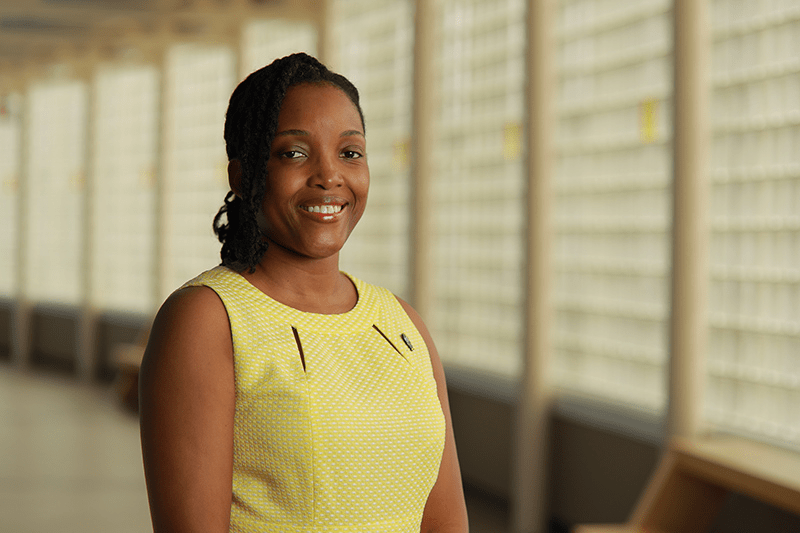
5. Dr. Ngalula Mubenga: Pioneering Solar Solutions in Central Africa
Dr. Ngalula Mubenga is an electrical engineer from the Democratic Republic of Congo who founded SAEPC (Société d’Automatisme et de Production en Chine), a company specializing in industrial automation and solar power solutions. Her work addresses one of Africa’s most critical challenges: reliable, affordable electricity access.
SAEPC provides solar power systems for communities and businesses in regions where grid electricity is unreliable or nonexistent. Solar energy offers particular advantages in Central Africa, where sunlight is abundant but traditional grid infrastructure remains limited.
Beyond solar power, her company’s work in industrial automation helps businesses improve efficiency and productivity through technology solutions. This combination of renewable energy and automation positions SAEPC at the intersection of two critical areas for African development.
Dr. Mubenga’s engineering expertise enables her to design systems appropriate for African contexts, where solutions must account for different infrastructure realities, economic constraints, and environmental conditions than technologies designed for Western markets.
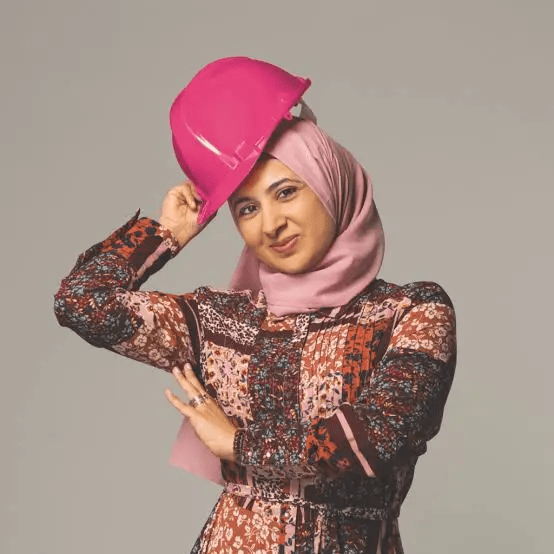
6. Naadiya Moosajee: Building the Next Generation of Female Engineers
Naadiya Moosajee is a South African civil engineer and social entrepreneur who co-founded WomEng, an organization dedicated to developing the next generation of female engineering talent across Africa. Her work recognizes that solving Africa’s engineering challenges requires dramatically increasing the number of women entering and succeeding in engineering careers.
WomEng provides comprehensive support for young women pursuing engineering, including mentorship, skills development, career guidance, and connections to opportunities in industry. The organization works across multiple African countries, creating pan-African networks of women engineers who support each other’s growth.
As a civil engineer, Moosajee understands firsthand the challenges women face in engineering education and careers. This lived experience informs WomEng’s programs, which address both technical skill development and the systemic barriers that cause many talented women to leave engineering.
According to UNESCO research on women in engineering, women remain significantly underrepresented in engineering fields globally. Organizations like WomEng address this gap by providing targeted support ensuring more African women not only enter engineering but thrive and reach leadership positions.

7. Therese Izay-Kirongozi: Innovative Traffic Solutions for Kinshasa
Therese Izay-Kirongozi is an industrial engineer from the Democratic Republic of Congo who gained international recognition for creating humanoid traffic robots to regulate traffic in Kinshasa, one of Africa’s most congested cities.
The solar-powered robots stand at intersections, using lights and arm movements to direct traffic. They feature cameras that record traffic violations and are connected to a central control system. Beyond their practical function, the robots have become symbols of Congolese innovation and technological capability.
Izay-Kirongozi’s solution demonstrates creative engineering thinking: addressing a real urban challenge with technology that’s both functional and attention-grabbing. The robots cost significantly less than traditional traffic light systems while providing additional capabilities like violation recording.
Her work shows how industrial engineering approaches can solve infrastructure challenges in resource-constrained environments. Rather than waiting for expensive traditional solutions, she engineered an innovative alternative appropriate for Kinshasa’s specific context.
The traffic robots have been deployed at multiple intersections in Kinshasa, improving traffic flow while demonstrating that African engineers can create locally appropriate technological solutions to urban challenges.
Why These Engineering Stories Matter
These seven women represent engineering’s power to transform societies when technical knowledge combines with understanding of local challenges, entrepreneurial courage, and commitment to solving real problems affecting millions of people.
Infrastructure Shapes Development
The infrastructure these women build, from submarine cables and solar power systems to construction materials and traffic management solutions, directly affects economic development. Better internet connectivity enables digital economies. Reliable electricity powers businesses. Sustainable building materials make housing affordable. Effective traffic management improves productivity.
When women lead these infrastructure projects, they often bring different perspectives about what problems need solving and how solutions should be designed. This diversity of thought creates better engineering outcomes.
Engineering Education Needs Women
With women constituting less than 30 percent of engineering graduates globally and even lower percentages in many African countries, organizations like WomEng and role models like these seven engineers are essential for building Africa’s engineering capacity.
Every girl who sees Funke Opeke building submarine cables, Nzambi Matee creating businesses from plastic waste, or Therese Izay-Kirongozi designing traffic robots learns that engineering is for her too.
African Solutions to African Challenges
What unites these engineers is their commitment to solving challenges specific to African contexts. They’re not just applying Western engineering solutions. They’re designing innovations appropriate for African infrastructure realities, economic conditions, and environmental factors.
This approach creates engineering that actually works in African contexts rather than solutions that look good on paper but fail in practice because they weren’t designed for local conditions.
Join the African Women in STEM Community
If these engineering pioneers inspire you, whether you’re studying engineering, working as a professional engineer, or building engineering solutions to African challenges, the African Women in STEM community provides support, mentorship, and connections you need.
Join the African Women in STEM Membership Today
Connect with other women engineers, access career development resources, find mentorship opportunities, and become part of a community amplifying African women’s contributions to engineering.
Follow on Social Media
- Follow African Women in STEM on LinkedIn
- Follow African Women in STEM on Instagram
- Follow Adaeze Iloeje-Udeogalanya on LinkedIn