Most people spend their careers chasing a destination.
A title. A salary. A specific role they decided they wanted at twenty-two and have been running toward ever since. And there is nothing wrong with having goals. But what happens when you arrive and realise the destination was not quite what you thought it would be? Or when life shifts and the path you were on no longer fits who you are becoming?
Dr. Kim Nichols has sat with that question. And her answer is one that every woman in STEM who has ever felt stuck, uncertain, or quietly unfulfilled needs to hear.
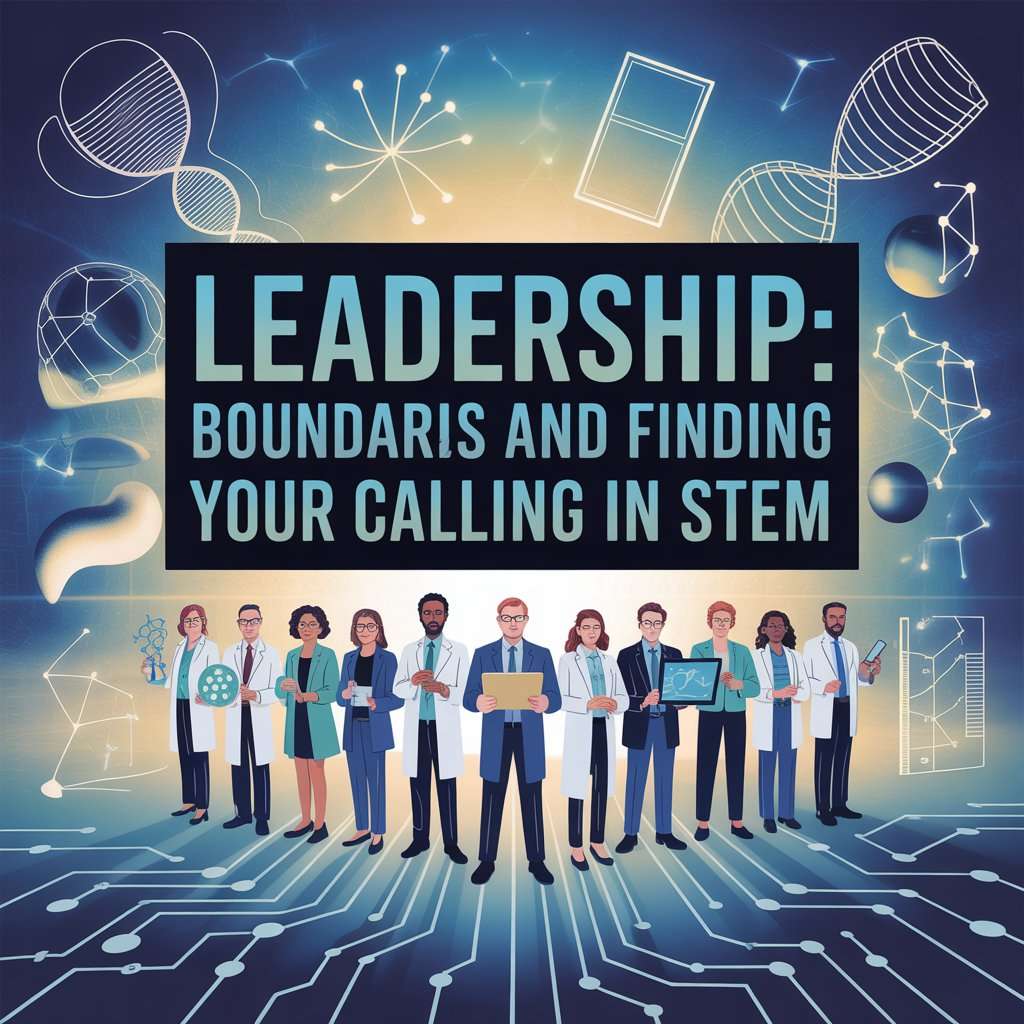
In this episode of Lunch with Leaders, host Adaeze Iloeje-Udeogalanya sits down with Dr. Nichols, a physician executive, speaker, and coach, for a conversation that is as honest as it is practical. They cover authentic leadership, the difference between mentorship and sponsorship, setting boundaries without guilt, and what it actually looks like to build a career around who you truly are rather than who you thought you were supposed to become.
Your Calling Is Not a Fixed Point
Dr. Kim Nichols did not start her career knowing exactly where she would end up. And that, she argues, is not a failure of vision. It is the nature of a meaningful career.
She describes the journey to finding your true calling as a continuous process of self-reflection and evolution. It changes as you change. It deepens as your self-awareness deepens. And it rarely looks like the straight, logical line that career planning templates suggest it should.
“Logic can sometimes keep you exactly where you are instead of where you want to be.”
That quote lands hard. Because many high-achieving women in STEM are exceptionally logical. They are trained to analyse, optimise, and make decisions based on data. And those skills are valuable. But when applied to questions of purpose and calling, logic can become a trap. It keeps you in the safe, sensible lane while something deeper is pulling you somewhere else entirely.
Dr. Nichols invites a different approach. Instead of asking “what is the most strategic next move,” she encourages women to ask what truly fulfils them. What aligns with their values. What they would pursue even if the external rewards were stripped away.
That is where the real calling lives.
What Authentic Leadership Actually Means
The word authentic gets used so often in leadership conversations that it has started to lose its edges. But Dr. Nichols gives it substance.
Authentic leadership is not about being unfiltered or oversharing. It is not about bringing your whole personal life into the boardroom. It is about showing up as your genuine self. Leading from your actual values rather than performing a version of leadership you think others expect from you.
“The best leaders develop other leaders and create spaces for others to be heard.”
When you lead authentically, something shifts in the rooms you are responsible for. People trust you more because they can read you. They engage more because they feel genuinely seen. They take more risks because they are not constantly trying to manage your unpredictability.
Authentic leadership builds the kind of environment where people do their best work. And it starts with you being willing to drop the performance and simply lead as yourself.
For women in STEM, this is particularly significant. Many have spent years adapting their style, softening their edges, and code-switching across different professional environments just to be taken seriously. Authentic leadership is, in many ways, an act of reclamation. It is choosing to lead from who you actually are rather than from who the room seems to want you to be.
This connects directly to the work Adaeze explores in the episode Own Your Authority: Stop Leading From the Shadows, where she unpacks the social conditioning that teaches women to shrink their authority rather than own it. The two episodes speak to each other in important ways.
Mentorship and Sponsorship Are Not the Same Thing
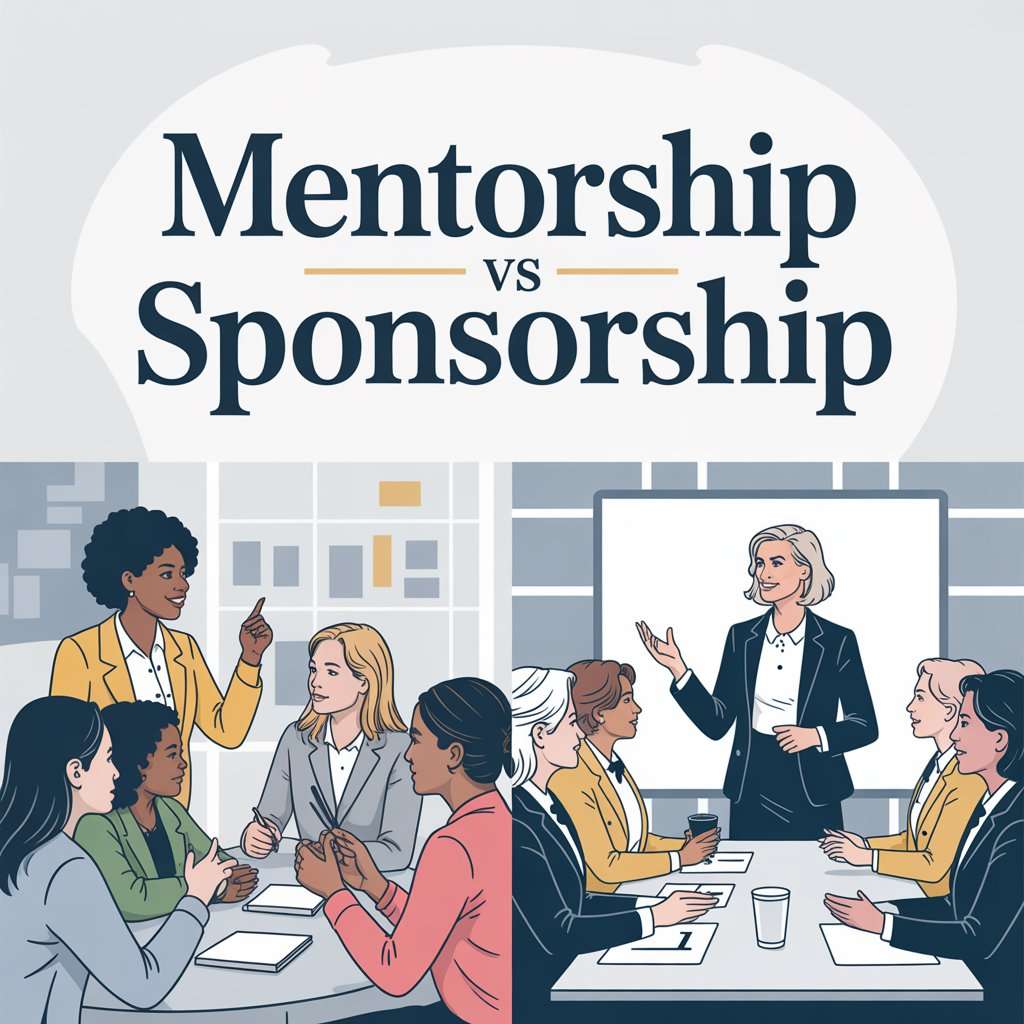
This is a distinction that does not get made clearly enough, and it matters enormously for women in STEM who are trying to build intentional career support.
Dr. Nichols draws a clear line between the two.
Mentorship is guidance: A mentor shares their experience, helps you think through decisions, and offers perspective from someone who has navigated similar territory. Mentorship is a conversation. It is invaluable, and most women in STEM have at least some access to it.
Sponsorship is advocacy: A sponsor uses their influence, their political capital, and their relationships to actively open doors for you. They say your name in rooms you are not in. They recommend you for opportunities before you even know those opportunities exist. Sponsorship is action, and it is far rarer.
Many women in STEM have mentors. Fewer have sponsors. And the gap between the two is often the gap between a career that progresses steadily and one that accelerates.
The practical implication is clear. Seek out mentors who can help you grow. But also be intentional about building relationships with people who have influence and who are willing to use it on your behalf. That is not transactional. That is strategic. And it is how careers actually move at the senior level.
Asking for Help Is Not Weakness. It Is Intelligence.
One of the most consistent threads in this conversation is Dr. Nichols’ insistence on reframing the act of asking for help.
“Asking for help is a sign of strength, actually, it’s not a sign of weakness.”
For women who have built their identity around competence and self-sufficiency, this lands as a genuine challenge. Asking for help can feel like an admission that you do not have it all together. In environments where you have had to work twice as hard to be taken seriously, showing any gap feels risky.
But Dr. Nichols flips this entirely. Asking for help is an act of self-awareness. It signals that you know your limits, that you value expertise, and that you are more committed to the outcome than to appearing infallible. It also creates an opportunity for others to contribute, which in turn builds the kinds of relationships and goodwill that sponsorship is built on.
High-performing teams are not made up of individuals who never need anything. They are made up of people who are skilled at knowing what they need and asking for it clearly.
You Need the Right Community Around You
Finding your calling, leading authentically, and building the right support structures is significantly easier when you are surrounded by women who understand the journey. The African Women in STEM community is that space.
Join the membership here and step into a network that is genuinely invested in your growth.
Setting Boundaries Without Guilt
Dr. Nichols does not treat boundaries as a self-care buzzword. She addresses them as a leadership necessity.
Setting boundaries is not selfish. It is the infrastructure that makes sustained high performance possible. Without them, you give your best energy to everything and everyone until there is nothing left. And then you burn out, not dramatically, but quietly, in a way that costs you your health, your relationships, and eventually your effectiveness.
She offers a clear reframe: boundaries are not walls you put up to keep people out. They are decisions you make about how you show up so that you can keep showing up. They protect the energy and focus that your best work requires.
For women in STEM who are managing demanding roles, family responsibilities, and the additional labour that comes with being a visible minority in their field, boundaries are not optional. They are essential.
The guilt that comes with setting them is real. But Dr. Nichols is direct: that guilt is conditioned, not rational. You were not built to be endlessly available. Neither was anyone else.
Psychological Safety Is a Leadership Responsibility
One of the most important things Dr. Nichols addresses is the responsibility leaders carry to create psychologically safe environments.
Psychological safety is the condition in which people feel they can speak up, take risks, ask questions, and admit mistakes without fear of punishment or humiliation. It is not about making work comfortable in a soft sense. It is about removing the friction that stops people from doing their best thinking.
“The best leaders develop other leaders and create spaces for others to be heard.”
Leaders who create psychological safety get more from their teams. People contribute ideas they would otherwise keep to themselves. They flag problems early instead of hoping someone else will. They invest more because they feel genuinely valued.
For women in STEM who are building or leading teams, this is a strategic priority. The research is clear on this. Teams with high psychological safety consistently outperform those without it. And it is the leader who sets that tone, deliberately and consistently.
For more on building the kind of team culture that drives real performance, the episode on Systems Thinking for Building Influence and High-Performing Leadership Teams goes deep on exactly this.
Also, if you are at a crossroads in your career, questioning whether you are on the right path, or trying to lead more authentically without a clear map, this conversation will meet you exactly where you are.
Listen to Dr. Kim Nichols on Lunch with Leaders now.
For the Woman Who Feels Stuck Right Now
Near the end of the conversation, Adaeze asks Dr. Nichols what she would say to someone who feels stuck and wants to move forward but does not know how.
Her answer is grounded and direct.
Start with self-reflection. Get honest about your values and what you actually want, not what looks good on paper or what people expect of you. Then take one step. Not the whole journey. Just the next step that feels aligned with who you are trying to become.
And do not do it alone. Seek out the mentors, the sponsors, the communities, and the coaches who can see things in you that you cannot see in yourself yet.
“The best leaders develop other leaders and create spaces for others to be heard.”
That applies to how you lead others. But it also applies to how you allow others to lead you forward.
Connect With Dr. Kim Nichols
If this conversation resonated and you want to go further with Dr. Nichols:
- LinkedIn: Level Up with Dr. Kim N
- Facebook: Dr. Kim Nichols
- Website: levelupwithdrkimn.com
- Email: krnichols1@yahoo.com