What if the biggest obstacle to your career advancement isn’t external barriers, but the inherited narratives you’re carrying without even realizing it?
Ranieka Weston brings over 20 years of experience across commercial learning, talent management, and executive coaching. Here, Ranieka shares her Negotiator’s Mindset Framework; built on Clarity, Courage, and Consistency and reframes negotiation as a daily practice that goes far beyond salary talks. She reveals how generational beliefs can limit growth, why emotional regulation starts with the breath, and how to know when to leave a job versus when to stay.
This conversation offers practical tools for leaders, coaches, and anyone ready to lead more authentically and negotiate for what they truly deserve.
1. The Negotiator’s Mindset Framework: Clarity, Courage, and Consistency
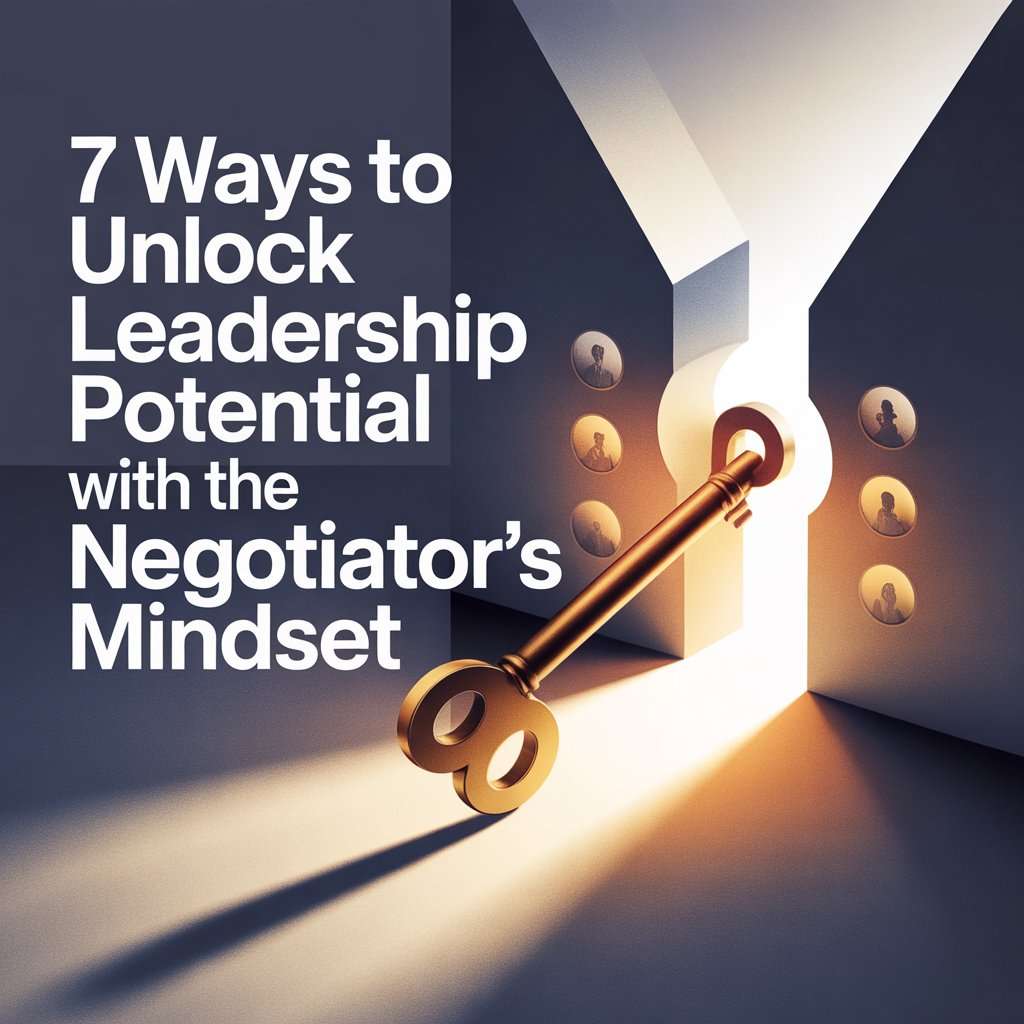
Ranieka introduces her signature framework for leadership and negotiation: the Negotiator’s Mindset, which is built on three foundational pillars.
Clarity: Knowing What You Want
The first pillar is clarity—understanding what you actually want, not what you think you should want or what others expect from you.
Many professionals skip this step. They jump straight into action without getting clear on their goals, values, and desired outcomes. This lack of clarity leads to pursuing opportunities that don’t align with who they are or what they need.
Clarity requires honest self-reflection. It means identifying your values, understanding your priorities, and being specific about what success looks like for you.
Courage: Acting Despite Fear
The second pillar is courage, the willingness to act even when you’re afraid or uncertain.
Courage isn’t the absence of fear. It’s moving forward despite the fear. It’s speaking up in meetings even when your voice shakes. It’s negotiating for what you deserve even when you’re worried about the response.
For many high-performers, especially women, courage means pushing back against the internal narratives that say you should be grateful for what you have, that you shouldn’t rock the boat, or that asking for more is selfish.
Consistency: Making It a Practice
The third pillar is consistency, turning these behaviors into regular practices rather than one-time actions.
Negotiation isn’t just about salary conversations or job offers. It’s a daily practice of advocating for yourself, setting boundaries, and ensuring your needs are met.
Consistency means showing up for yourself repeatedly, even in small ways, until these behaviors become natural rather than exceptional.
Together, these three pillars create a framework for approaching not just negotiations, but leadership and career development as a whole.
2. Negotiation Is a Daily Practice, Not Just Salary Talks
One of the most important reframes Ranieka offers is expanding the definition of negotiation beyond formal salary discussions.
Negotiation in Everyday Leadership
Negotiation happens every day in your professional life. When you set a boundary about your availability. When you delegate a task instead of taking it on yourself. When you speak up with a dissenting opinion in a meeting. When you ask for resources you need to complete a project.
These are all negotiations. They’re moments where you’re advocating for your needs, your time, your priorities, or your perspective.
Why This Reframe Matters
When you only think of negotiation as something that happens during job offers or annual reviews, you miss hundreds of opportunities to practice and strengthen these skills.
But when you recognize negotiation as a daily practice, you give yourself permission to advocate for yourself regularly. You build the muscle memory that makes those high-stakes salary conversations feel less daunting because you’ve been negotiating successfully in smaller ways all along.
This shift also helps you see that negotiation isn’t about being aggressive or demanding. It’s about being clear about what you need and willing to have conversations about how to meet those needs

3. How Inherited Narratives Hold You Back
Ranieka explores how generational beliefs and inherited narratives can limit your growth without you even realizing it.
Understanding Inherited Narratives
Inherited narratives are the stories and beliefs passed down to you from your family, culture, and community. These might include beliefs like “be grateful for what you have,” “don’t make waves,” “work hard and keep your head down,” or “asking for more is greedy.”
These narratives were often formed in different contexts and served important purposes for previous generations. But they may not serve you in your current circumstances.
How These Narratives Limit Growth
The problem with inherited narratives is that they operate unconsciously. You might not even recognize them as beliefs you’re choosing to hold. They just feel like truth.
But when these narratives conflict with your career goals or authentic self, they create internal resistance. You might sabotage opportunities, hold yourself back from visibility, or fail to negotiate effectively—all because of unconscious beliefs you didn’t choose.
Identifying Your Limiting Stories
Ranieka emphasizes the importance of identifying which stories you’re carrying that no longer serve you. This requires reflection and honesty about where your beliefs came from and whether they align with where you want to go.
Once you identify these limiting narratives, you can consciously choose to rewrite them. You can honor where they came from while releasing their hold on your current decisions.
Discover how to identify the inherited narratives holding you back and learn Ranieka’s framework for rewriting limiting stories: Listen to the full conversation on Lunch with Leaders
4. Setting Boundaries Without Guilt
One of the most practical skills Ranieka discusses is setting boundaries without guilt—a challenge many high-performers face.
Why Boundaries Feel Difficult
For many professionals, especially women, setting boundaries triggers guilt. You worry you’re letting people down, being difficult, or not being a team player.
These feelings are often rooted in those inherited narratives about being accommodating, helpful, and putting others first.
Boundaries as Self-Advocacy
Ranieka reframes boundaries as a form of self-advocacy and negotiation. When you set a boundary, you’re negotiating for what you need to be sustainable, effective, and authentic in your work.
Boundaries aren’t selfish. They’re essential for long-term success and wellbeing.
Practical Boundary Setting
The conversation provides practical guidance on how to set boundaries in professional settings. This includes being clear about your limits, communicating them directly, and holding them consistently even when it feels uncomfortable.
The key is recognizing that setting boundaries is a skill that improves with practice. The first few times might feel awkward or guilt-inducing, but consistency makes it easier over time.
5. Emotional Regulation Starts with the Breath
As a certified yoga instructor who integrates mindfulness into her leadership work, Ranieka brings a unique perspective on emotional regulation.
The Connection Between Breath and Clarity
Ranieka reveals why emotional regulation starts with the breath. When you’re stressed, anxious, or triggered, your breathing becomes shallow and rapid. This physiological response makes it harder to think clearly and respond strategically.
By consciously controlling your breath, you can shift your physiological state and regain access to clear thinking.
Using Breath and Grounding to Think Clearly
The episode explores specific breathing and grounding techniques that leaders can use in challenging moments. These aren’t just wellness practices; they’re strategic tools for maintaining composure and making better decisions under pressure.
When you can regulate your emotional state through breath and grounding, you show up more powerfully in negotiations, difficult conversations, and high-stakes situations.
Integrating Mindfulness into Leadership
Ranieka’s integration of mindfulness practices into leadership work reflects a holistic understanding of what effective leadership requires. It’s not just about strategy and skills; it’s about managing your internal state so you can access your best thinking and respond rather than react.
This approach is particularly valuable for high-performers who often push through stress without addressing the physiological impact it has on their decision-making and presence.
6. When to Leave a Job vs. When to Stay
One of the most practical discussions in the episode addresses a question many professionals struggle with: how do you know when to leave a job versus when to stay and work through challenges?
The Complexity of This Decision
This decision is rarely straightforward. There are financial considerations, career implications, relationship factors, and personal wellbeing to consider.
Many people stay too long in situations that are actively harming them. Others leave prematurely when staying would have led to growth and opportunity.
Framework for Decision-Making
While the specific details aren’t provided in the source material, Ranieka offers guidance on how to think through this decision strategically rather than emotionally or reactively.
This includes assessing whether the situation is a temporary challenge that’s part of normal growth or a systemic problem that won’t improve. It involves getting clear on what you’re optimizing for and whether your current role aligns with those priorities.
Negotiating Your Current Situation
Importantly, the conversation emphasizes that sometimes the answer isn’t leaving but negotiating changes to your current situation. This might mean advocating for different responsibilities, setting new boundaries, or renegotiating expectations.
The Negotiator’s Mindset framework applies here too—getting clear on what you need, having the courage to ask for it, and consistently advocating for the changes that would make staying sustainable.
Learn Ranieka’s framework for deciding when to stay versus when to leave, and discover how to negotiate for the changes you need in your current role: Listen to the complete episode

7. Building a Legacy Through Intentional Impact
The conversation concludes with a focus on legacy—building lasting impact through intentional choices and actions.
What Legacy Means
Legacy isn’t just about what you accomplish or the titles you hold. It’s about the impact you have on people, organizations, and the professionals who come after you.
For Ranieka, legacy is connected to living authentically, advocating for yourself and others, and creating change that extends beyond your immediate circumstances.
Intentional Impact
Building a legacy requires intentionality. It means making choices aligned with your values rather than just responding to opportunities as they arise.
It means thinking about not just what you want to achieve, but how you want to achieve it and what you want to leave behind.
Leading Authentically
A central theme throughout the conversation is authentic leadership—showing up as your whole self rather than performing a role that doesn’t fit who you actually are.
Ranieka’s work with organizations focuses on transformational change by leveraging the power of narrative. This applies individually too. When you rewrite your limiting narratives and lead from your authentic values, you create space for others to do the same.
Your legacy isn’t just what you accomplish. It’s the permission you give others to be authentic, negotiate for what they deserve, and lead from clarity and courage.
Practical Tools You’ll Gain
This 42-minute conversation is packed with practical tools that leaders, coaches, and professionals can apply immediately:
Identify and Rewrite Limiting Stories
Learn how to recognize the inherited narratives that are holding you back and consciously choose new stories that align with your goals and values.
Set Boundaries Without Guilt
Discover how to advocate for your needs and set clear boundaries without the guilt that often accompanies saying no or protecting your time and energy.
Use Breath and Grounding to Think Clearly
Get specific techniques for emotional regulation that allow you to maintain composure and access clear thinking in challenging situations.
Build a Legacy Through Intentional Impact
Understand how to make choices that create lasting impact and align your daily actions with the legacy you want to leave.
Apply the Negotiator’s Mindset Framework
Use Clarity, Courage, and Consistency to approach not just formal negotiations but everyday leadership challenges and career decisions.
Who Should Listen to This Episode
This conversation is essential listening for several audiences:
Leaders who want to show up more authentically and effectively while building teams that do the same.
Coaches who work with clients on career development, leadership growth, or navigating corporate environments.
High-performers who feel held back by invisible barriers and want to understand what’s blocking their advancement.
Anyone ready to negotiate for what they truly deserve rather than settling for what’s offered or expected.
Professionals navigating career transitions who need frameworks for deciding when to stay versus when to leave.
If you’ve ever felt like you’re holding yourself back, struggling with inherited beliefs that don’t serve you, or unsure how to advocate for yourself effectively, this conversation offers both insight and practical tools.
Moving Forward
Ranieka Weston’s expertise comes from over 20 years of experience in commercial learning, talent management, and executive coaching. She’s held roles from sales manager to VP of talent management, giving her deep understanding of corporate dynamics at multiple levels.
Her unique integration of mindfulness practices with strategic leadership development offers a holistic approach that addresses both the internal work (managing your narratives, emotional state, and authenticity) and the external skills (negotiation, boundary-setting, and strategic decision-making).
The Negotiator’s Mindset Framework—Clarity, Courage, and Consistency—provides a practical structure for approaching leadership challenges, career decisions, and everyday negotiations.
By reframing negotiation as a daily practice rather than a high-stakes event, Ranieka makes these essential skills accessible and actionable for everyone, not just those naturally comfortable with self-advocacy.
Get the complete Negotiator’s Mindset Framework and discover how to lead more authentically while negotiating for what you truly deserve: Listen to Ranieka Weston on Lunch with Leaders now