

Have you ever felt like technology is moving faster than you can keep up? One moment you’re learning about a new AI tool, and the next, there’s already an updated version or an entirely new system making headlines. In STEM, things evolve at lightning speed. Whether you’re in science, engineering, technology, or mathematics, staying current with new discoveries, innovations, and tools is now a key part of building a successful career.
The truth is, keeping up with tech trends isn’t about knowing everything. No one can master it all. It’s really about staying curious, connected, and supported. When you stay open to learning and surround yourself with people who inspire and challenge you, you naturally grow with the changes instead of falling behind.
If you’re wondering ways to keep up, this blogpost has all the answers you need.
Why Staying Updated Matters in STEM
If there’s one thing that defines STEM, it’s change. Innovation is at the heart of science, technology, engineering, and mathematics. The tools, systems, and discoveries that drive these fields are constantly evolving and that means you have to evolve too. Staying updated is no longer optional; it’s the difference between keeping up and getting left behind.
Think about how much has changed in just a few years. Artificial intelligence has transformed how we work and learn. Robotics is reshaping industries from healthcare to manufacturing. Biotechnology is advancing faster than ever, creating solutions that once felt like science fiction. The professionals who embrace these changes, who take time to learn, explore, and adapt, are often the ones who get noticed, promoted, or invited into exciting new opportunities.
Let’s take a few examples:
- AI and Data Science: New tools emerge every few months, changing how problems are solved in industries like finance, health, and education. Those who stay curious and learn how to use them become valuable assets.
- Renewable Energy and Sustainability: Engineers and scientists who understand the latest technologies in clean energy are leading global discussions on climate solutions.
- Biotechnology: Professionals who stay informed about gene editing, diagnostics, and research tools are helping create breakthroughs that save lives.
When you commit to learning continuously, you’re not just upgrading your skills, you’re building confidence. You start seeing yourself as capable of adapting to anything the future brings. That mindset is what turns good professionals into great leaders.
Communities like African Women in STEM are built around this belief. Through mentorship, training, and collaboration, you can stay informed about industry trends and learn directly from experts who’ve walked the same path.
Identify Reliable Sources of Information
With so much information available online, staying up to date in STEM can sometimes feel overwhelming. The key is not to consume everything but to find reliable and focused sources that truly add value to your growth. When you know where to look, learning becomes exciting instead of stressful.
Here are a few practical ways to stay informed about what’s new and important in your field:
- Subscribe to STEM Journals, Newsletters, and Tech Podcasts
Choose reputable sources that share insights on innovation, discoveries, and career trends. Journals like Nature, IEEE Spectrum, or Science Daily publish the latest research in an easy-to-digest way. Newsletters such as TechCrunch or MIT Technology Review help you track how technology is shaping industries. If you prefer listening, podcasts like The Daily STEM or The Data Skeptic can keep you informed during your commute or workout.
- Follow Thought Leaders and Researchers on LinkedIn, YouTube, or Twitter/X
Social media can be an incredible learning tool when used intentionally. Follow scientists, engineers, entrepreneurs, and educators who share their insights and experiences. Engage with their posts by asking questions or sharing your own opinions. You’ll be surprised how much you can learn from professionals who are actively shaping the future of STEM.
- Use Online Learning Platforms to Stay Current
Websites like Coursera, edX, and Udemy offer short, up-to-date courses on topics such as artificial intelligence, biotechnology, and renewable energy. You don’t need to spend hours studying, even a 30-minute micro-course each week can make a difference.
Being selective about where you get your information is essential. It prevents information overload and helps you focus on what truly matters for your goals. Instead of trying to learn everything, choose content that supports your career direction or personal interests.
Finally, don’t keep what you learn to yourself. Share your discoveries, interesting articles, or podcast recommendations within the STEM community. Discussing trends with peers deepens your understanding and helps you see things from different perspectives.
Join Professional Communities and Networks
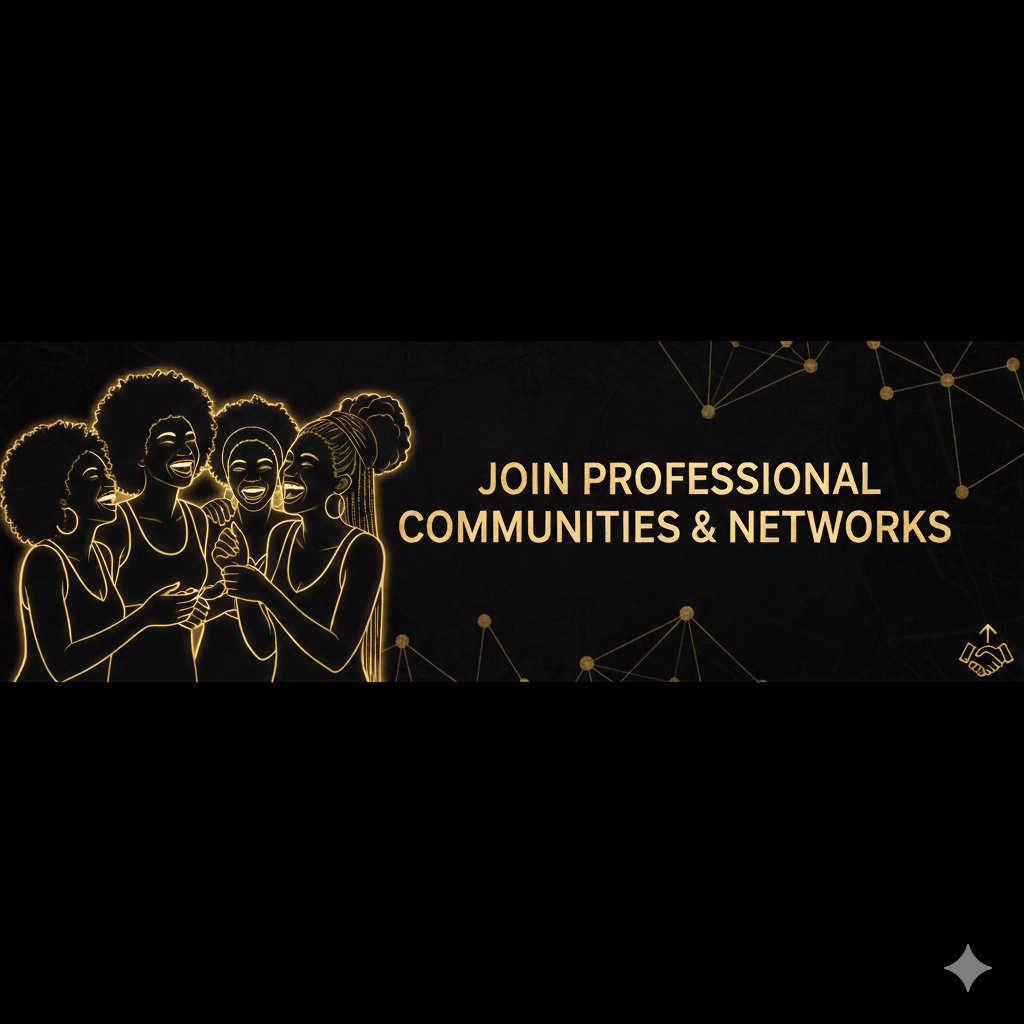
One of the best ways to stay updated in STEM is by surrounding yourself with people who are just as curious and passionate as you are. Networking is not only about building connections — it’s about exchanging ideas, staying informed, and growing together. When you’re part of a professional community, you naturally hear about the latest research, upcoming conferences, and even job or internship openings before everyone else.
1. Networking keeps you informed and inspired
Professional networks are like living classrooms. Whether it’s through online forums, webinars, or social media groups, these spaces keep you connected to current innovations and breakthroughs. You get to learn what others in your field are working on and how they are applying new tools or methods. Sometimes, a simple conversation can introduce you to a new technology or idea that completely changes how you think.
2. The power of community: African Women in STEM
A great example of a supportive professional network is the African Women in STEM community. It’s a vibrant space where women from different countries and disciplines come together to share knowledge, experiences, and opportunities. You’ll find collaboration happening across borders — from joint projects to mentorship partnerships. In this kind of environment, you don’t just learn facts; you gain perspective and confidence.
3. Peer conversations can lead to new opportunities
Talking with peers who are navigating similar challenges can be incredibly eye-opening. These discussions often lead to discovering new research collaborations, scholarships, or even startup ideas. Many career-changing moments begin in simple, casual community conversations.
4. A quick tip for success
Don’t just join a community, participate in it. Comment on posts, share your insights, or start conversations about topics you’re passionate about. When you stay active and offer value, people start recognizing your name and expertise. Over time, this visibility builds your credibility and attracts new opportunities your way.
Leverage Mentorship for Continuous Growth
Keeping up with new technology can feel like drinking from a firehose. New tools, frameworks, and research appear so quickly that it is easy to get overwhelmed. That is where a mentor becomes priceless. A good mentor helps you separate the useful trends from the noise, shows you which tools are worth your time, and points you toward the learning path that best fits your goals.
How mentors help you filter trends
- They share experiences: Mentors have seen what works and what fades away. Their advice helps you avoid chasing short lived fads.
- They set priorities: Instead of trying to learn everything, a mentor helps you focus on the few skills that will give you the most impact now.
- They recommend trusted sources: Mentors point you to the journals, newsletters, influencers, and courses that provide real value.
- They give context: A mentor explains how a new tool fits into a larger workflow or industry need, so you understand why it matters.
Practice Lifelong Learning
In the world of STEM, change is constant. New technologies, tools, and discoveries emerge every day, and the best way to stay relevant is to make learning a lifelong habit. Curiosity should be part of who you are, not just something you turn on when you need it. The most successful STEM professionals are those who keep asking questions, exploring new ideas, and adapting as the world evolves.
Why curiosity matters
When you stay curious, you stay open to growth. Curiosity drives you to explore, to question how things work, and to seek better solutions. It keeps your mind sharp and your creativity alive. Instead of feeling intimidated by change, you begin to see it as an opportunity to improve and innovate.
Practical habits for lifelong learning
Here are simple ways to make continuous learning part of your everyday life:
- Schedule time for learning: Dedicate at least an hour each week to explore a new tool, concept, or area of interest. It could be a new programming language, a research method, or an innovation in renewable energy.
- Take short courses and attend webinars: Platforms like Coursera, edX, and YouTube offer mini lessons that fit into busy schedules. These are great for learning at your own pace while staying up to date with global trends.
- Work on small personal projects: Practice what you learn by experimenting. Build a mini app, analyze a dataset, or design a prototype. Real learning happens when you apply knowledge in hands-on ways.
- Join learning communities: Being part of a community helps you stay accountable and motivated. You get to share progress, exchange ideas, and learn from others’ experiences.
How Thrive Hub Accelerator supports continuous learning
At Thrive Hub Accelerator, we make lifelong learning practical and exciting. Through our workshops, mentorship sessions, and hands-on challenges, you get to practice new skills in real-world contexts. You learn not only from experts but also from peers who are growing alongside you.
Continuous learning is not about doing everything at once. It is about taking one small, consistent step at a time. When you commit to growth, every new skill you gain becomes a stepping stone toward your next big opportunity.
Balance Learning with Application
Learning new things is important, but real growth happens when you put that knowledge into action. In STEM, understanding a concept is only the first step. The real power comes from applying what you’ve learned to solve real problems, create solutions, and make an impact.
Why application matters
When you apply your learning, you move from theory to experience. Reading about coding or renewable energy is one thing, but designing an app or building a solar-powered prototype brings that knowledge to life. Practical application helps you understand concepts more deeply, spot gaps in your knowledge, and build confidence in your abilities. It also shows potential employers or collaborators that you can do more than just talk about ideas, you can turn them into results.
Ways to apply what you learn
Here are a few practical ways to put your knowledge to work:
- Internships and apprenticeships: These experiences allow you to see how theory meets practice in real work environments. You learn how professionals solve problems, manage projects, and use technology to achieve results.
- Hackathons and competitions: These are excellent opportunities to test your skills under pressure. You get to work in teams, think creatively, and build quick solutions to real-world challenges. Plus, they often lead to networking opportunities and career recognition.
- Community and volunteer projects: Applying your STEM knowledge to local challenges can be incredibly rewarding. Whether it’s improving clean water systems, teaching coding to young girls, or developing an app for education, real-world projects help you make a tangible difference.
- Personal projects: Not all applications have to be big. You can start small, build a personal website, automate a simple task, or analyze data for a topic that interests you. The key is to keep experimenting and learning through doing.
How African Women in STEM helps you apply your knowledge
The African Women in STEM community provides a supportive environment where learning and application go hand in hand. Members have access to collaboration platforms, mentorship programs, and innovation showcases where they can present their projects, share experiences, and get constructive feedback. It’s a space designed to help you grow through both learning and doing.
When you balance learning with application, you move from being a student to becoming a creator and problem solver. Every project you complete, no matter how small, builds your experience and credibility. Over time, these experiences become the foundation of your professional identity in STEM, proof that you not only learn but also lead through action.
Overcoming Challenges in Staying Updated
Keeping up with the fast pace of technology in STEM can be exciting, but it also comes with real challenges. Between work, studies, personal life, and the endless flow of new information online, it’s easy to feel overwhelmed or unsure of where to start. The good news is that you’re not alone in feeling this way, and there are simple strategies that can help you stay consistent and confident.
Common challenges
- Time management: With so much to learn and limited hours in a day, finding time for continuous learning can feel impossible.
- Information overload: The internet is full of new trends, tools, and tutorials. It can be hard to decide which ones are worth your attention.
- Self-doubt: Sometimes, seeing others progress faster can make you question your own abilities or whether you’re keeping up at all.
How to overcome these struggles
- Prioritize what aligns with your goals
Not every trend or skill will be useful to your path. Focus on learning things that move you closer to your personal or professional goals. For example, if you’re interested in data science, prioritize learning Python or machine learning basics instead of trying to master everything in tech.
- Stay accountable through check-ins
Find a mentor or join a peer learning group where you can share your goals, progress, and challenges. Regular check-ins keep you motivated and help you stay on track. The mentorship circles at the Thrive Hub Accelerator are a great example, they create a supportive space where mentors guide you, and peers encourage you.
- Celebrate small wins
Every new skill learned, course completed, or project started counts as progress. Acknowledging these small victories keeps your motivation high and reminds you that growth is a process, not a race.
- Stay connected to a supportive community
You don’t have to do this journey alone. Communities like African Women in STEM give you access to like-minded people who share insights, resources, and encouragement. When you connect with others who are also learning and growing, you realize that everyone faces similar challenges and you can overcome them together.
The Role of Collaboration in Staying Ahead

In the world of STEM, collaboration is one of the most powerful ways to stay ahead. No one knows everything, and that’s perfectly okay. The beauty of working together is that what one person knows can inspire or teach another. When people from different backgrounds and fields share their knowledge, new ideas are born and that’s often where innovation happens.
Collaboration amplifies learning
When you collaborate, you don’t just exchange information, you expand your understanding. Working with others helps you see problems from new angles, learn faster, and find creative solutions that you might not have thought of alone. For example, a biologist teaming up with a data scientist could create a model to predict disease outbreaks, or an engineer working with an environmental scientist might design better renewable energy systems. Collaboration multiplies your impact by combining strengths and ideas.
Cross-disciplinary innovation
Some of today’s biggest breakthroughs come from collaboration across different STEM fields. Think of how artificial intelligence is transforming healthcare by helping doctors detect diseases early, or how technology is making agriculture smarter and more sustainable through precision farming. These innovations happen when people with different expertise work together to solve shared challenges. The same principle applies to your personal growth, connecting with others opens doors to insights, projects, and opportunities that you wouldn’t find alone.
Building collaboration through community
One of the best ways to start collaborating is by joining an active and supportive network. The African Women in STEM community offers exactly that. It’s a space where members from across the continent and beyond come together to share ideas, exchange knowledge, and work on projects that make a difference. You can find mentors, partners, and friends who push you to grow while you contribute your unique perspective to others’ journeys.
Conclusion
Keeping up with fast-changing tech trends in STEM is not just about chasing the latest tools or breakthroughs, it’s about staying curious, connected, and part of a community that grows together. Technology will keep evolving, and so will the opportunities that come with it. The real question is how ready you are to adapt, learn, and lead.
When you approach learning with curiosity, every discovery becomes exciting instead of overwhelming. When you connect with others, you gain insight, encouragement, and new perspectives that help you see the bigger picture. And when you engage with a community, you realize that growth doesn’t happen in isolation, it happens through collaboration, mentorship, and shared experiences.
If you’re ready to take your learning further and grow with the future, join the African Women in STEM community to stay connected, informed, and inspired. You’ll find mentors, resources, and peers who truly understand your journey.