

Many young people discover their love for science, technology, engineering, and mathematics (STEM) not just during lessons, but in spaces where they can experiment freely, explore new ideas, and collaborate with peers. Classrooms provide the foundation, but it is often in clubs and extracurricular activities that curiosity turns into passion.
STEM clubs create these spaces. They allow students to go beyond textbooks, test theories in real life, and build confidence as problem-solvers and innovators. Whether through robotics, coding projects, science fairs, or collaborative challenges, STEM clubs bring learning to life in a way that feels practical, engaging, and fun.
These clubs are not just about science experiments or competitions, they prepare students for the future. By encouraging teamwork, creativity, and leadership, they equip young people with the skills that employers and universities value most. In this article, we explore why STEM clubs are essential in schools, how they transform education, and the role mentorship and communities play in turning today’s curious learners into tomorrow’s STEM leaders.
The Role of STEM Clubs in Education
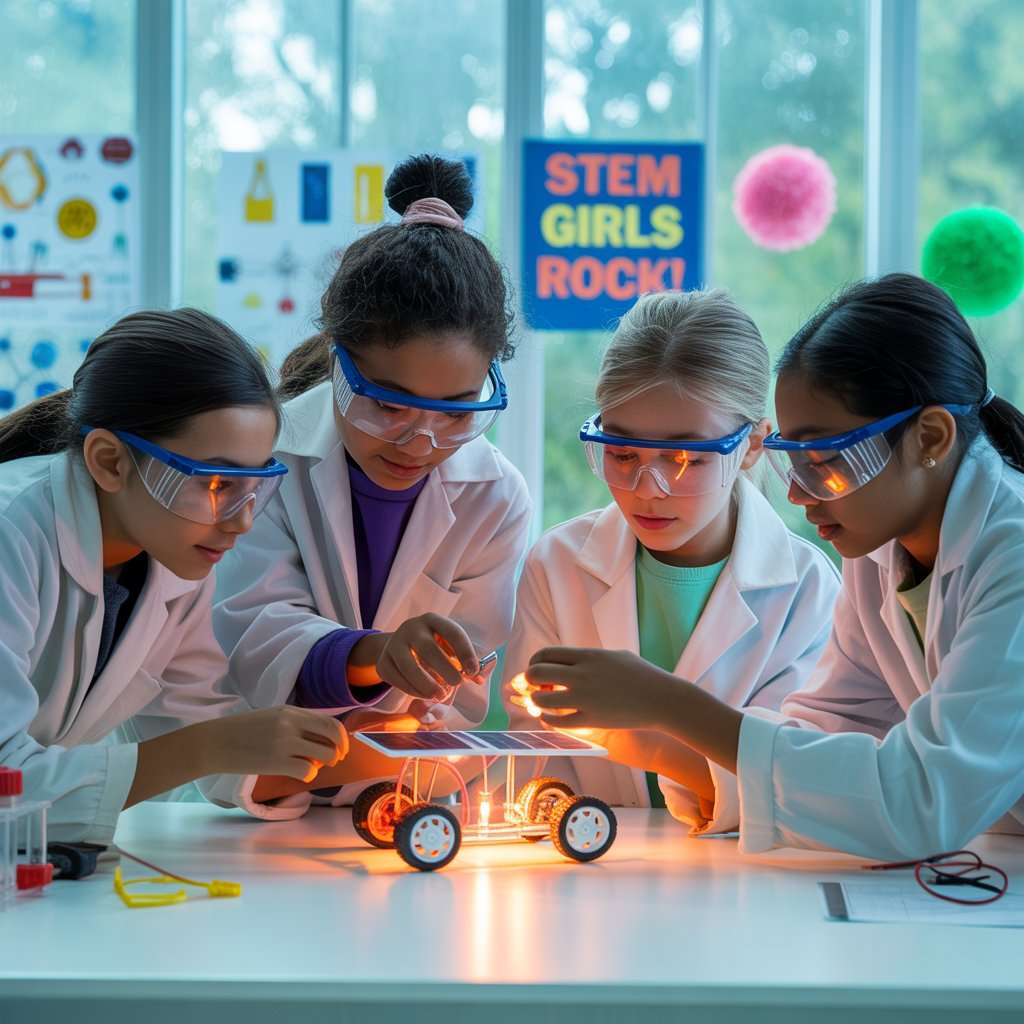
STEM clubs are powerful tools in education because they bridge the gap between theory and practice. In traditional classrooms, students often focus on memorizing facts, solving equations, or preparing for exams. While these are important, they sometimes leave little room for experimentation or creativity. STEM clubs create an environment where students can get their hands dirty, test out ideas, and learn by doing. This hands-on approach makes abstract concepts tangible and helps students develop problem-solving skills they can carry into future careers.
Another key role of STEM clubs is that they complement academic learning. For example, a student might learn the laws of physics in class but truly understand them when building a small robot or designing a bridge in a club project. These opportunities not only strengthen comprehension but also boost confidence by showing students that they can apply knowledge in practical and innovative ways.
STEM clubs also provide early exposure to emerging fields. Students who might never encounter robotics, coding, biotechnology, or renewable energy in a traditional curriculum get the chance to explore them in a fun and supportive setting. This exposure can spark long-term interests, helping students identify passions and career paths at an early stage.
Finally, STEM clubs foster collaboration and creativity. By working in groups, students learn teamwork, leadership, and communication, skills that are just as essential as technical knowledge in today’s world. And with mentorship and community support, these clubs can become launching pads where students not only discover their interests but also gain guidance to pursue them further.
Building Confidence and Interest in STEM
One of the greatest benefits of STEM clubs is how they build confidence in students. In many classrooms, students may feel pressured to get the “right answer” and fear failure. STEM clubs, on the other hand, create a safe and supportive environment where students are encouraged to experiment, make mistakes, and try again. This freedom to test ideas without judgment allows students to learn resilience and see failure as part of the learning process. Over time, this builds confidence and a mindset that is essential for innovation.
For girls and other underrepresented groups in STEM, these clubs can be especially transformative. Research shows that many girls lose interest in STEM during middle and high school, often due to lack of encouragement, role models, or inclusive spaces. A well-structured STEM club can change that narrative. By fostering inclusion and giving all students equal opportunities to lead projects, present ideas, and showcase skills, clubs inspire students who might otherwise doubt their abilities. Seeing peers and mentors who look like them excelling in STEM can further boost their self-belief and motivation.
STEM clubs also often produce powerful stories of discovery. For example, a student who joins a robotics club out of curiosity may uncover a deep passion for engineering. Another who helps with a renewable energy project might be inspired to pursue environmental science. These real experiences help students see STEM not just as subjects in school, but as exciting and meaningful career paths.
When students are confident and interested, they are more likely to pursue advanced STEM courses, apply for internships, or even consider STEM-related degrees and careers. Mentorship and supportive communities can amplify this effect by connecting students with professionals who reinforce their confidence and guide them toward opportunities.
Encouraging Teamwork and Collaboration
STEM clubs are not just about individual learning; they are powerful spaces for building teamwork and collaboration. Most club activities, such as robotics competitions, science fairs, or coding challenges, require students to work together toward a shared goal. This teaches students how to divide tasks, solve problems collectively, and support one another through setbacks.
By working on team-based projects, students practice essential communication skills. They learn how to explain their ideas clearly, listen to others, and combine different perspectives into a workable solution. These experiences also help them develop leadership skills. A student might take the lead in managing the timeline for a project, while another coordinates research or oversees the technical aspects. In this way, clubs mirror real-world STEM workplaces, where collaboration is critical to success.
Teamwork in STEM clubs also highlights the importance of respect, empathy, and inclusion. Students come from different backgrounds and skill levels, and learning to work with diverse teammates helps them appreciate varied contributions. This prepares them for professional environments, where innovation often comes from blending multiple ideas and disciplines.
The collaborative spirit in STEM clubs connects directly to what many professionals experience later in their careers. Just as students rely on peers in clubs, women in STEM benefit from joining communities and mentorship programs where they collaborate, share knowledge, and grow together. Networks such as mentorship initiatives or hubs like the Thrive Hub Accelerator replicate this same dynamic by providing safe spaces to brainstorm, lead, and thrive collectively.
Developing Practical Skills for the Future of Work
One of the strongest benefits of STEM clubs is the opportunity they provide for students to build practical, hands-on skills that directly prepare them for the future of work. While classroom lessons focus on theory, clubs create space for students to practice and apply what they learn in meaningful ways.
Through activities such as coding challenges, robotics projects, and data analysis exercises, students develop technical expertise that is in high demand across industries. For example, learning how to program a robot or analyze scientific data introduces them to skills they will use later in engineering, healthcare, biotechnology, or computer science. These experiences bridge the gap between school knowledge and real-world application.
At the same time, STEM clubs strengthen transferable soft skills that are essential for any career. Students practice critical thinking when troubleshooting why a robot is not working, presentation skills when showcasing projects at school fairs, and project management when coordinating deadlines with teammates. These skills extend beyond STEM and prepare students to excel in any professional environment.
Mentorship adds an even deeper layer of value. Experienced professionals, teachers, or university students who volunteer as mentors can guide club activities and expose participants to real career pathways. A mentor might show students how coding skills are applied in software development or explain how robotics connects to fields like manufacturing or space exploration. This guidance not only builds technical proficiency but also helps students see themselves in future careers, which is especially powerful for girls and underrepresented groups in STEM.
By combining practical technical training with essential soft skills and mentorship, STEM clubs act as incubators for future-ready talent. They ensure that students are not just learning about STEM but are also building the confidence, skills, and vision needed to thrive in the workforce of tomorrow.
Inspiring the Next Generation of Innovators

STEM clubs do more than just teach technical skills; they ignite imagination and ambition. By creating spaces where students can explore ideas freely, they help young people see themselves as innovators capable of shaping the future.
One powerful way STEM clubs inspire students is by showcasing the achievements of peers and alumni. When students see others from their school building robots, developing apps, or winning science competitions, they realize innovation is within their reach. These role models encourage younger members to dream bigger, work harder, and push the boundaries of their creativity.
STEM clubs also nurture entrepreneurial thinking. Instead of simply solving classroom exercises, students learn to identify real-world problems and design solutions. For example, they may develop prototypes for clean energy, create mobile apps for local needs, or design health-tech solutions. This mindset prepares them not just for jobs but also for leadership roles as innovators and entrepreneurs who can contribute to Africa’s growing STEM economy.
The journey does not stop after school. Many students who start in STEM clubs seek opportunities to grow their ideas further. This is where programs like the Thrive Hub Accelerator become vital. Accelerators provide access to mentorship, funding opportunities, and professional networks that allow students to turn their early projects into real-world solutions. By linking STEM clubs to such initiatives, we create a seamless pathway from early inspiration to long-term innovation.
In this way, STEM clubs are more than extracurricular activities. They are launchpads for the next generation of problem-solvers and entrepreneurs, fueling a cycle of innovation that continues well beyond the classroom.
Addressing the Gender Gap in STEM Through Clubs
One of the most pressing challenges in STEM education is the persistent gender gap. In many classrooms, girls may hesitate to participate in STEM activities due to stereotypes, lack of encouragement, or the belief that these fields are only for boys. STEM clubs provide an important solution by creating inclusive spaces where girls can explore their interests freely and without bias.
Within clubs, girls are encouraged to experiment, ask questions, and take leadership roles in projects. These experiences help build their confidence and show them that they belong in STEM. Teachers and mentors play a crucial role in reinforcing this by offering support, highlighting female role models, and ensuring that every student’s contribution is valued.
Representation matters. When girls see other women succeeding in science, technology, engineering, and mathematics, they begin to imagine themselves following similar paths. That is why mentorship is so critical. The African Women in STEM mentorship program connects young girls to women who have already walked the path, giving them guidance, encouragement, and proof that their dreams are possible.
By combining school-based STEM clubs with access to mentorship and role models, we can close the gender gap. Girls are not only invited into the conversation but are also empowered to lead, innovate, and thrive in the future of STEM.
Building Networks and Opportunities Beyond School
STEM clubs are more than just after-school activities. They act as gateways to larger opportunities that extend well beyond the classroom. By participating in STEM fairs, hackathons, and competitions, students are introduced to environments where they can showcase their skills, collaborate with peers, and even catch the attention of universities and industry professionals. These experiences often serve as stepping stones to scholarships, internships, and research opportunities.
Clubs also play an important role in helping students build connections with universities, industries, and global STEM communities. Many schools partner with higher education institutions or organizations to provide workshops, mentorship, and exposure to cutting-edge research. For students, these networks can open doors that may not have been accessible otherwise.
Most importantly, STEM clubs can act as pipelines into professional mentorship and career networks. A student who begins coding or building robots in a club may later be guided toward industry mentorship, internships, or accelerators like the Thrive Hub Accelerator, where skills are refined for career success. The support does not end at school—it grows into a professional pathway supported by mentors and communities who continue to nurture their ambitions.
Through these networks, STEM clubs ensure that young learners not only develop technical skills but also gain access to the opportunities, connections, and encouragement needed to build long-term STEM careers.
How Schools, Parents, and Communities Can Support STEM Clubs
STEM clubs thrive when schools, parents, and communities come together to provide consistent support. Schools play a critical role by offering resources such as lab equipment, computers, and safe spaces where students can experiment and learn. Teachers and administrators can also encourage participation by promoting clubs as valuable pathways for career growth, not just optional activities.
Parents, too, are vital in fostering student interest. Their encouragement, attendance at STEM events, and willingness to invest time or resources in their children’s projects can make a big difference. Parents who value STEM participation show their children that their interests are valid and worth pursuing.
Communities and organizations can amplify the impact of STEM clubs by forming partnerships with accelerators and mentorship programs. Programs like the Thrive Hub Accelerator or mentorship initiatives from networks like African Women in STEM give students access to real-world training, role models, and opportunities to apply their skills beyond school.
Finally, inclusivity must remain a priority. STEM clubs should welcome all students, regardless of gender, economic background, or academic standing. By ensuring diversity, clubs can empower underrepresented groups, especially young girls, to explore STEM without fear of bias or exclusion.
Conclusion
STEM clubs are not just extracurricular activities; they are essential pathways to preparing young people for careers in science, technology, engineering, and mathematics. They build confidence, teach real-world skills, and connect students to opportunities that shape their future.
When students start early in STEM clubs, they become more confident, innovative, and equipped to thrive in a competitive job market. These clubs serve as the foundation for future innovators, problem-solvers, and leaders.
The responsibility lies with all of us—schools, parents, and communities—to support and invest in STEM clubs. By doing so, we create environments where young people can thrive and develop their full potential.