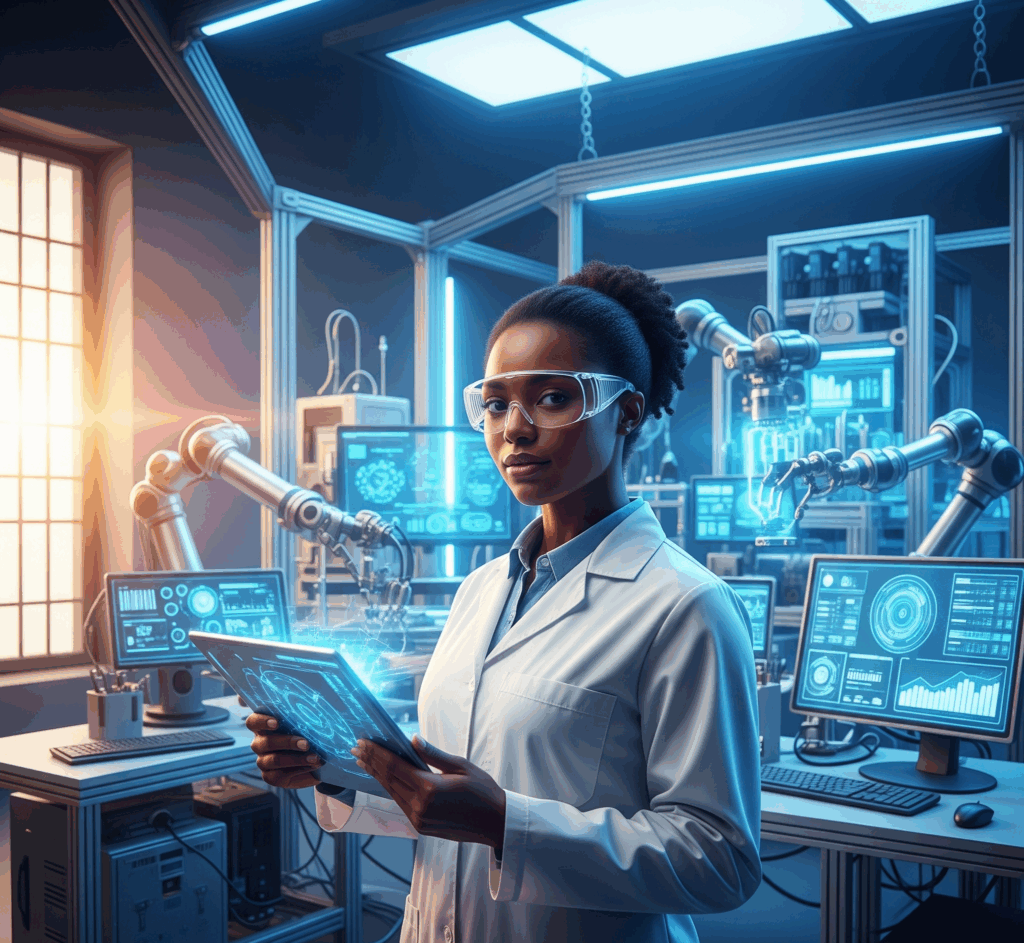
The world of work is transforming at a speed we have never seen before. Technology, automation, and digital tools are reshaping industries and changing how organizations operate every single day. Jobs that once relied on routine tasks are now being handled by machines, while entirely new roles are being created in fields like artificial intelligence, biotechnology, renewable energy, and data science.
As such, STEM education is one of the most powerful ways to prepare for this shift. It does not only teach technical knowledge but also builds critical thinking, problem-solving, adaptability, and creativity. These are the very qualities that employers around the world are actively searching for in their future workforce.
This article will take a closer look at why STEM education is key to preparing for the future of work. It will also show how mentorship, supportive communities, and accelerator programs can give learners the guidance and opportunities they need to thrive in their careers. The future belongs to those who are ready to embrace STEM, and now is the time to start building that foundation.
The Changing Nature of Work
The workplace of today looks very different from what it was even a decade ago, and it will continue to change rapidly in the years ahead. One of the biggest drivers of this shift is automation. Machines, robots, and artificial intelligence systems are increasingly able to perform tasks that once required human effort. Routine and repetitive jobs, such as data entry, assembly line work, or even basic customer service, are now being handled by technology. This creates both challenges and opportunities for workers. While some jobs are disappearing, new and more advanced roles are being created in fields that require human creativity, critical thinking, and specialized technical knowledge.
Alongside automation, digital tools have become central to almost every profession. From cloud computing and virtual collaboration platforms to advanced software and data analytics, nearly every career path now requires at least some level of digital fluency. This shift means that workers who lack these skills risk being left behind, while those with strong STEM foundations can adapt to changing demands and remain competitive.
At the same time, we are witnessing the rapid rise of new industries that are shaping the future. Biotechnology is driving innovations in healthcare, renewable energy is changing how we power our world, and data science is helping organizations make smarter decisions. These industries are not just growing; they are becoming critical pillars of global economies. Professionals entering these fields will need strong STEM skills to thrive and lead.
The key lesson is that adaptability is no longer optional. Workers need to be willing to learn, unlearn, and relearn skills as industries evolve. STEM education provides the perfect training ground for this because it teaches both technical knowledge and the mindset required to tackle complex, evolving problems. In a world where change is constant, STEM-based skills are becoming essential for career security and growth.
Core Skills Developed Through STEM Education
STEM education is far more than learning formulas, programming languages, or laboratory techniques. At its core, it shapes the way people think, collaborate, and solve problems. These skills are what make STEM graduates so valuable in today’s fast-changing job market.
Problem-Solving and Critical Thinking
One of the most important skills developed through STEM is the ability to solve complex problems. STEM learning encourages questioning, testing, and analyzing rather than simply memorizing facts. Students learn to approach problems methodically, break them down into smaller parts, and find innovative solutions. Whether it is designing a new product, improving a system, or solving a community challenge, critical thinking skills make STEM graduates natural innovators.
Digital and Technical Literacy
STEM education also equips learners with comfort and fluency in digital and technical tools. From coding and robotics to data analytics and artificial intelligence, today’s careers demand that workers can use and adapt to new technologies quickly. Having technical literacy means being able to not only use digital tools but also understand how they work, which makes it easier to apply them creatively in any career.
Collaboration and Communication
Despite stereotypes of scientists and engineers working alone, most STEM projects require teamwork. Professionals must work across different disciplines, often with people from different cultural and geographical backgrounds. STEM education teaches collaboration through group projects, labs, and cross-disciplinary assignments. Just as important is the ability to communicate complex ideas clearly to both technical and non-technical audiences. This skill is what allows STEM professionals to influence decision-making and drive innovation.
STEM Careers Driving the Future
The future of work is being defined by science, technology, engineering, and mathematics. Across industries, organizations are searching for professionals who can use STEM skills to drive innovation, solve problems, and build sustainable systems. For students and graduates, this means that opportunities are not only expanding but also becoming more diverse.
Emerging Job Fields
Some of the fastest-growing career paths today are rooted in STEM. For example, artificial intelligence specialists and data analysts are in high demand as companies rely on data to make smarter decisions. Renewable energy engineers are playing a central role in addressing climate change and powering the future with sustainable solutions. Biotech researchers are advancing healthcare by developing new treatments and technologies. On the other hand, cybersecurity experts are needed to protect sensitive information in an increasingly digital world. These roles are shaping the global economy and will continue to grow.
STEM Across Sectors
It is important to recognize that STEM careers are not limited to technology companies alone. In healthcare, professionals use data and engineering to improve patient outcomes. In finance, data science and AI are used for fraud detection and smarter investment strategies. Agriculture now integrates biotechnology and smart technologies to improve food security. Even in education, STEM experts are developing digital learning tools that reach millions. This shows that STEM knowledge is becoming essential in almost every sector of the economy.
The Power of Community and Networks
While these opportunities are growing, accessing them often depends on the networks and support systems professionals can tap into. Communities like the Thrive Hub Accelerator open doors by connecting women with recruiters, mentors, and peers. Those who are active in these high-demand fields. So you know, being part of such a community provides not only career guidance but also access to opportunities that might otherwise be out of reach. It is through networks that many graduates discover internships, jobs, and even entrepreneurial paths that align with their skills.
Just do you know, STEM careers are driving the future of work across industries, and those who prepare early will have a competitive advantage. By combining technical knowledge with community support, women in STEM can position themselves at the forefront of innovation and global change.
Preparing for Jobs That Don’t Exist Yet
One of the most exciting and challenging aspects of the future of work is that many careers of tomorrow have not even been invented yet. Just as jobs in fields like app development, data science, and renewable energy were rare or unheard of a decade ago, the next wave of industries will bring roles we cannot fully imagine today.
STEM Education Builds Adaptability
STEM education does more than provide technical knowledge. It nurtures adaptability and resilience, which are critical for navigating a shifting job market. Students trained in problem-solving, critical thinking, and experimentation are better prepared to handle uncertainty and transition into roles that emerge as new technologies and industries develop.
The Value of Lifelong Learning
In a world where industries evolve quickly, continuous upskilling is not optional. Professionals who keep learning new tools, languages, and methods will always stay relevant. A mindset of curiosity and openness to learning ensures that STEM graduates are not locked into one career path but can adapt to new opportunities as they appear.
The Role of Mentorship and Communities
While change can feel overwhelming, mentorship and strong communities make it manageable. Mentors help learners anticipate trends, identify skills worth developing, and guide them toward industries with high growth potential. Communities like accelerators and peer networks provide encouragement, shared resources, and collaboration opportunities that help women in STEM navigate uncertainty with confidence.
While, no one knows exactly what the jobs of the future will look like. STEM education provides the best preparation for them. With adaptability, continuous learning, and the support of mentors and communities, today’s learners can step boldly into a future full of opportunities.

While STEM education holds the key to preparing young people for the future of work, several challenges continue to limit access and progress. Addressing these barriers is essential to ensure that opportunities are equitable and inclusive.
Gender Gaps and Lack of Representation
Women remain underrepresented in many STEM fields, particularly in engineering, computer science, and technology-related careers. This lack of representation creates a cycle where fewer women role models exist, which discourages younger women from pursuing similar paths. Gender stereotypes, workplace bias, and societal expectations also make it harder for women to enter and thrive in STEM. Breaking this cycle requires intentional support systems that encourage women to pursue, persist, and excel in these areas.
Limited Access to Quality Resources
In many regions across Africa and other parts of the world, access to quality STEM education is uneven. Schools may lack updated laboratories, digital tools, or qualified teachers with the expertise to teach advanced STEM subjects. Even when students are motivated, they may not have the infrastructure, internet access, or financial means to explore their full potential. These barriers widen the gap between those who have resources and those who do not.
The Role of Mentorship and Communities
This is where mentorship and supportive communities make a powerful difference. Mentorship connects learners with professionals who can provide career guidance, share practical skills, and offer encouragement when challenges arise. Communities, both online and offline, create spaces for collaboration, resource sharing, and peer support. They ensure that even when institutional resources are lacking, students and professionals have access to knowledge, networks, and opportunities that can propel them forward.
How Programs Like Thrive Hub Accelerator Support Future Readiness
STEM education lays the foundation, but programs that combine mentorship with hands-on experience are what truly prepare learners for the future of work. The Thrive Hub Accelerator is designed to bridge this gap by equipping women in STEM with not only knowledge but also practical opportunities to apply it.
Pairing Mentorship with Real-World Experience
Through structured mentorship, participants are guided by professionals who have already navigated the challenges of STEM careers. Mentors provide advice on technical growth, career pathways, and personal development, while also helping mentees apply their STEM education to solve real-world problems. This combination of theory and practice accelerates learning and builds confidence.
Providing Training, Access to Recruiters, and Global Opportunities
The program offers tailored training sessions that focus on high-demand skills in emerging STEM industries. Beyond training, participants are introduced to recruiters and organizations actively seeking STEM talent. By connecting women to global opportunities and cross-border collaborations, the Thrive Hub Accelerator expands horizons and ensures participants are competitive in both local and international job markets.
Building Confidence and Networks that Accelerate STEM Careers
Confidence often grows when individuals realize they are not alone. Being part of a supportive accelerator program provides access to peers who share the same journey, role models who have walked the path before, and networks that open doors to career-defining opportunities. These connections are often the key to turning education into meaningful career advancement.
Conclusion
STEM education is more than an academic pursuit. It is the foundation for building critical skills, fueling innovation, and preparing for careers in a world shaped by rapid technological change. As industries evolve, those who embrace STEM will be the ones ready to step into leadership, solve pressing global problems, and shape the future of work.
But you do not face the future alone. Join the Thrive Hub Accelerator to prepare with confidence, build valuable networks, and accelerate your career in STEM.