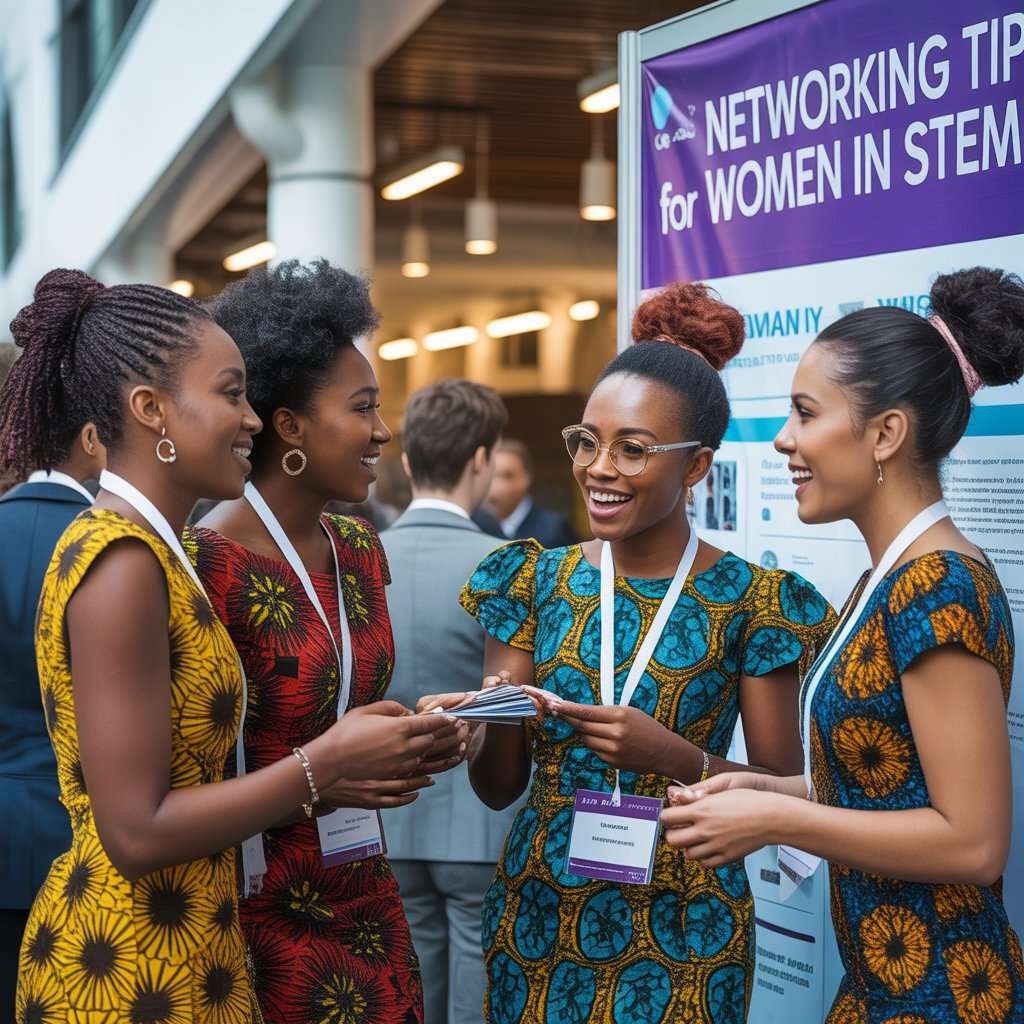
What comes to mind when you hear the word “networking”? For many women in STEM, it conjures images of awkward small talk, a pocket full of business cards, and forced smiles at crowded events. But real networking is so much more than that.
In STEM, networking is the art of building relationships that can help you learn, grow, and make an impact. STEM conferences are among the most powerful places to network. Whether it’s a global event with thousands of attendees or a local meet-up with a handful of innovators, these gatherings open doors to job offers, research collaborations, funding, and lifelong friendships. For African women, conferences can also be spaces of visibility and validation—places where you see yourself reflected in others’ achievements and dreams.
Here’s the good news: networking is a skill, not a secret superpower. With the right preparation, strategy, and mind-set, you can build genuine, lasting connections—no matter your starting point. This article gives you step-by-step tips to network confidently and effectively at STEM conferences, with a special focus on challenges and opportunities for African women. If you want to walk into your next event feeling ready, read on.
Prepare Before You Attend
The groundwork for successful networking begins long before you set foot in a conference center or log in to a virtual event. Preparation helps you feel confident, focused, and ready to make the most of every conversation.
Research the Conference
- Dive into the agenda: Review the event schedule, session topics, and workshop descriptions. Which talks align with your interests or professional goals? Which speakers do you want to learn from?
- Study the speakers and panelists: Most conferences provide bios or LinkedIn profiles. Are there leaders, innovators, or potential mentors you’d like to meet? Make a “wish list” of people whose work excites you.
- Check attendee lists and communities: Some conferences use apps or platforms where you can see other participants and even start chatting before the event. Join discussion forums or pre-conference networking sessions to introduce yourself and break the ice.
- Identify affinity groups: Look for meetups, dinners, or sessions focused on women in STEM, African professionals, or other communities you identify with. These spaces are often more welcoming and easier for meaningful conversations.
Set Clear Goals
It’s easy to wander through a conference feeling overwhelmed and unsure where to start. Setting goals gives you direction and motivation.
- Examples of networking goals:
- Meet three potential mentors in renewable energy.
- Learn about the latest trends in artificial intelligence for healthcare.
- Find internship leads for the summer.
- Connect with at least two other African women in my field.
- Gather information on graduate programs or scholarship opportunities.
Write your goals down or save them on your phone. Check in with yourself during the conference to track your progress.
Polish Your Elevator Pitch
Your elevator pitch is a short, impactful introduction that tells people who you are, what you do, and what excites you in STEM. Practice it until it feels natural but not robotic. Keep it between 30 and 60 seconds.
Example:
“Hi, I’m Amina, a renewable energy engineer from Nigeria. I design sustainable power solutions for rural communities and am passionate about using technology to improve access to electricity across Africa. I’m here to learn about the latest advances in solar energy and connect with others working on innovative energy projects.”
Tips for a strong pitch:
- Include your name, field, and a unique passion or project.
- Highlight your current goal or reason for attending the conference.
- Smile, stand tall, and make eye contact when you introduce yourself.
- Adjust your pitch for different audiences (students, employers, researchers).
Make the First Move at the Conference

Networking begins the moment you arrive. Every workshop, coffee break, and lunch line is an opportunity to connect. But how do you move from small talk to real conversation?
Approach with Confidence
First impressions matter. You don’t have to be the loudest in the room, but you can show confidence with your body language:
- Stand or sit tall, with your shoulders back.
- Smile genuinely.
- Make eye contact when you greet people.
- Offer a firm (but not crushing) handshake, or a friendly wave if virtual.
If you feel nervous, remember: everyone else is probably a bit nervous, too. Most people appreciate someone who makes the first move.
Join Group Conversations
Walking into a group can be intimidating, but most conference attendees are open to new connections.
- Look for circles or groups that aren’t physically closed off. Stand slightly to the side, make eye contact, and smile to signal you’d like to join.
- Wait for a natural pause, then introduce yourself: “Hi, I’m [Name]. Mind if I join you?”
- If the group is discussing a speaker or session, ask what they thought, or share your own takeaway.
If you’re attending virtually, look for breakout rooms, chat threads, or “table” discussions and join ones that interest you.
Ask Impactful Questions
Move beyond weather and logistics. People remember thoughtful questions that show genuine interest.
- “What inspired you to get into this field?”
- “What’s the most exciting project you’re working on right now?”
- “How do you see AI changing your industry in the next few years?”
- “What advice would you give someone starting out in [their specialty]?”
Listen actively to their answers, and share your perspective or a related story.
Bring Value to the Conversation
Networking is a two-way street. Think about what you can offer, not just what you can gain.
- Share a relevant article, podcast, or book recommendation.
- Offer to introduce them to someone in your network.
- If you have a project or research paper relevant to their interests, mention it briefly.
- Compliment their work or insights when genuine.
Example:
“I recently read an article about off-grid solar projects in Kenya that aligns with your work. I’d be happy to share the link if you’re interested.”
Use Technology to Your Advantage
The digital age has transformed networking. You can connect faster, follow up more easily, and build a professional brand that lasts long after the conference ends.
Conference Apps & LinkedIn
- Download the event app: Most large conferences have an app with attendee directories, session schedules, and messaging features. Use it to plan your day, connect with people, and set up meetings.
- Connect on LinkedIn: After a great conversation, send a LinkedIn request on the spot. Personalize your message:
“It was great meeting you at [Conference]—I enjoyed our chat about data science in healthcare!”
QR Codes Instead of Paper Cards
- Digital business cards and LinkedIn QR codes are replacing traditional cards. Have your QR code ready on your phone for quick sharing.
- Consider creating a digital portfolio, personal website, or online resume. Linking to your work makes a lasting impression.
Follow Event Hashtags
- Most conferences use hashtags on Twitter, LinkedIn, or Instagram. Follow them to join real-time conversations, share your thoughts, and connect with others.
- Post updates, tag new contacts, and share key insights from sessions.
- Engage with speakers and panelists by commenting or asking questions on their posts.
Bonus: Showcase Your Work
- Share photos, posters, or slides from your presentation (if you’re speaking).
- Write a recap post on LinkedIn highlighting your takeaways.
- Tag the conference and new connections to increase your visibility.
Overcome Networking Anxiety
Even the most experienced professionals feel nervous about networking. For African women, there can be added layers—being “the only one” in a room, facing microaggressions, or worrying about being misunderstood. Here are strategies to manage anxiety and show up as your best self.
Practice “Power Poses”
Before entering a big room or joining a virtual session, try standing tall with your hands on your hips or stretched overhead for two minutes. Research shows this boosts confidence and lowers stress.
Bring a Friend or Ally
Attending with a colleague or a fellow African Women in STEM member can help you feel less isolated. You can support each other, introduce each other to new contacts, and debrief after sessions. If you’re attending solo, look for affinity group meetups or “first-timers” sessions to find friendly faces.
Reframe Your Mindset
You’re not there to “sell yourself” or prove your worth. You’re there to learn, share, and build genuine relationships. Focus on curiosity and connection, not perfection.
- Remind yourself: “My voice and story matter.”
- Set small, achievable goals: “Today, I’ll meet two new people.”
- Celebrate each step, even if it’s just saying hello.
Prepare Responses to Bias or Microaggressions
Sadly, bias still exists. If you encounter dismissive comments or feel overlooked, have a response ready.
- “That’s an interesting perspective. Here’s how I see it…”
- “I’d like to add my thoughts to the conversation.”
- After the session, seek out others who make you feel seen and supported.
Use Self-Care Strategies
- Take breaks between sessions to recharge.
- Stay hydrated and nourished.
- Journal your thoughts or record voice notes after impactful conversations.
- Reach out to your support system if you need encouragement.
Follow Up After the Event
The real power of networking emerges after the conference ends. Following up shows professionalism, strengthens relationships, and opens the door for future collaborations.
Send a Personalized Thank-You Message
Within 24 to 48 hours, email or message your new contacts. Make it short, specific, and memorable.
Example:
“Hi [Name],
It was great meeting you at the Grace Hopper Celebration. I enjoyed our conversation about renewable energy projects in West Africa. I’d love to stay in touch and learn more about your work at [Company].”
Reference Your Conversation
Mention something you discussed to help them remember you. This small detail shows genuine interest.
- “I appreciated your advice on graduate programs.”
- “Thanks for sharing your insights on cloud computing—I’m going to check out that resource you recommended.”
- “It was inspiring to meet another woman from Kenya working in biotech!”
Keep the Connection Alive
- Share relevant articles or opportunities.
- Congratulate them on professional milestones.
- Invite them to collaborate or attend future events.
- Recommend them for opportunities if you see a fit.
Organize Your Contacts
- Use a spreadsheet, notes app, or contact manager to track who you met and what you discussed.
- Set reminders to check in every few months.
Give Back
- Offer help or introductions where you can.
- Share event summaries or resources with your network.
- Invite others to join African Women in STEM or similar communities.
Why Mentorship Accelerates Networking Success
Networking builds your contact list. Mentorship builds your future.
Having a mentor means more than having someone to answer your questions. Mentors help you navigate the complex world of STEM conferences and beyond. They can:
- Introduce you to their networks, multiplying your connections.
- Give honest feedback on your elevator pitch or conversation style.
- Help you strategize which events or sessions to prioritize.
- Encourage you to step forward for speaking, publishing, or leadership opportunities.
- Offer support when you face setbacks or self-doubt.
The African Women in STEM Mentorship Program
At African Women in STEM, our mentorship program is designed for women just like you—ambitious, talented, and looking for guidance.
Our program:
- Matches you with experienced professionals in your field or area of interest.
- Prepares you to make the most of every STEM conference, from introductions to follow-up.
- Gives you a community where you can practice networking skills, build confidence, and celebrate milestones.
Mentorship is not just about what you gain—it’s also about what you give. As you grow, you’ll have the chance to mentor others, creating a ripple effect of empowerment across Africa and the world.
Conclusion
Networking at STEM conferences is about much more than collecting business cards or adding contacts on LinkedIn. It’s about preparation, knowing your goals and your story. Be confident, make the first move and show up authentically. It is worth noting that it’s about using technology to build a professional brand and follow up in meaningful ways. It’s about mentorship, finding guides who help you turn contacts into opportunities.
For African women in STEM, these skills are your superpower. They help you rise above barriers, find your community, and open doors that once seemed out of reach.
The next time you walk into a conference, remember: every handshake, every hello, every question is a chance to shape your future. Your voice matters. Your story is needed. And your next big opportunity might start with a simple “Hello.”