

Stories shape how we see the world. Long before titles, resumes, or social media existed, stories were how people earned trust, commanded attention, and passed on wisdom. They’ve been the foundation of human connection since the beginning of time, passed down through generations, used to teach lessons, inspire action, and build communities.
Now, you might think storytelling has lost its relevance. With everyone competing for attention through quick posts, viral videos, and curated profiles, it’s easy to assume that substance has been replaced by noise. But the truth is quite the opposite. Storytelling matters more now than ever before.
In a recent episode of the Lunch with Leaders podcast, Patrick Hart shared why storytelling has always been central to his life and career, starting from simply watching people while growing up. His journey into understanding the power of stories wasn’t formal or academic. It was organic, rooted in observation and real-world experience.
Learning Storytelling by Watching People
One of the most interesting parts of Patrick’s conversation was how early his understanding of storytelling began. He spoke about growing up and observing people around him, noticing who others listened to and why.
It wasn’t always the loudest person or the one with the biggest position. It was often the person who could explain things through stories, experiences, and real moments.
Those observations stayed with him. Over time, he realized that stories weren’t just entertainment. They were a way to connect, to be understood, and to be remembered.
Patrick didn’t learn storytelling from a textbook. He learned it by paying attention to people, their reactions, and the way stories created instant connection. This kind of learning, rooted in observation rather than instruction, gave him a unique perspective that would later shape how he approached his professional life.
There’s something powerful about learning through watching. It teaches you not just what works, but why it works. You begin to see patterns in human behavior and communication that books can’t always capture.
From Observation to Professional Growth
As Patrick grew in his career, he began to apply what he had learned early on. Storytelling became a tool, not for showing off, but for clarity. He shared how telling your story helps people understand your values, your journey, and the impact of your work.
In the episode, he challenges the idea that working hard alone is enough. Many people do great work but stay invisible because they don’t know how to communicate their story. They assume their results will speak for themselves, but in reality, context matters just as much as output.
Storytelling bridges that gap. It gives context to your work and helps the right people notice you. When you can explain not just what you did, but why you did it and how it connects to who you are, people remember you differently. You move from being just another professional to someone with a clear identity and direction.
This part of the conversation is especially valuable for professionals, founders, and leaders who feel overlooked despite their efforts. If you’ve ever felt like your work isn’t getting the recognition it deserves, the issue might not be the quality of your work but the clarity of your story.
https://www.listennotes.com/podcasts/lunch-with-leaders/the-power-of-storytelling-CkSd2Nej0FQ
Visibility Is Not Noise, It’s Alignment
Another key takeaway from the episode is Patrick’s view on visibility. In today’s world, there’s a lot of pressure to be “seen.” Social media pushes the idea that you need to be everywhere, posting constantly, staying top of mind. But Patrick offers a different perspective.
Visibility is not about being everywhere or talking all the time. It’s about being seen for the right reasons.
Patrick explains that when your story is clear, your visibility becomes intentional. People understand what you stand for and where you’re going. This kind of visibility attracts opportunities instead of forcing you to chase them. You’re not trying to be loud; you’re trying to be clear.
This distinction matters. Many people burn out trying to maintain a presence that doesn’t align with who they actually are. They post because they feel they should, not because they have something meaningful to say. But when your story is aligned with your actions, visibility feels natural. It becomes an extension of your work, not a separate job.
This perspective feels refreshing in a world that often confuses constant posting with real influence. Patrick reminds us that storytelling isn’t about volume. It’s about resonance.
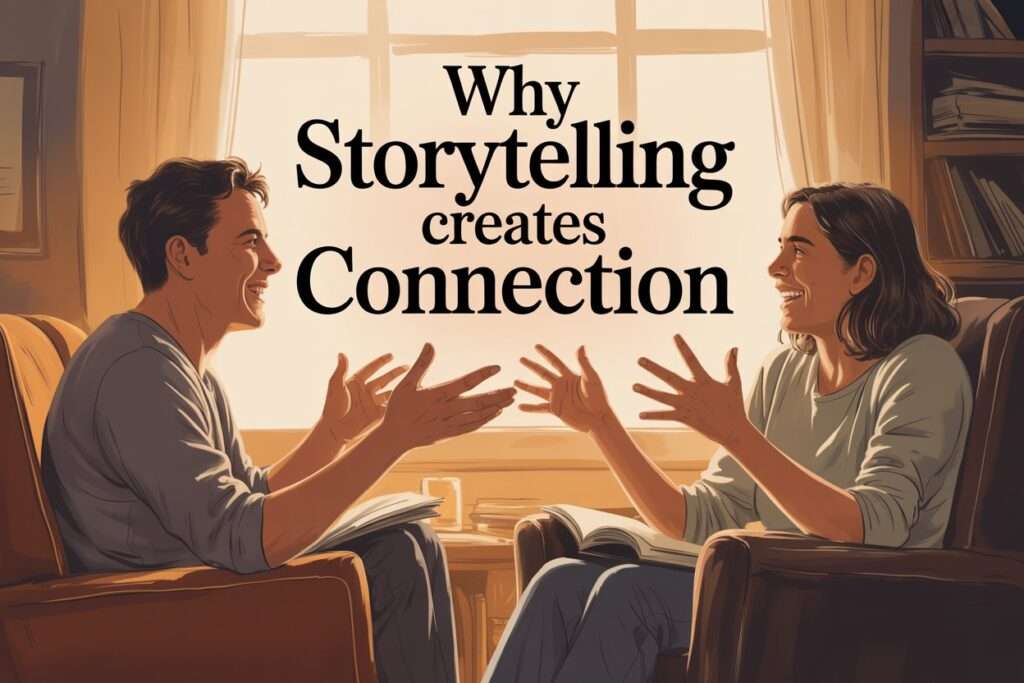
Why Storytelling Creates Connection
Throughout the episode, Patrick returns to a central theme: stories create connection in a way that facts alone cannot. You can list your accomplishments, share your credentials, and highlight your experience, but none of that creates the emotional bridge that a story does.
When you tell a story, you invite people into your experience. You give them something to relate to, something to feel. That emotional connection is what makes people remember you, trust you, and want to work with you.
This is true in leadership, in business, and in personal relationships. The best leaders aren’t just competent; they’re compelling. They can communicate vision in a way that makes people want to follow. The best businesses don’t just sell products; they sell stories that people want to be part of.
Patrick’s approach to storytelling is grounded in authenticity. He’s not talking about manufactured narratives or polished brand messaging. He’s talking about real stories, drawn from real experience, that reflect who you actually are.
Owning Your Story
One of the more challenging ideas Patrick discusses is the concept of owning your story. Many people feel uncomfortable talking about themselves. They worry about coming across as boastful or self-centered. So they downplay their achievements, deflect compliments, and stay in the background.
But Patrick argues that owning your story isn’t about ego. It’s about clarity. When you own your story, you’re not bragging. You’re simply being clear about who you are, what you’ve done, and where you’re headed.
This clarity benefits everyone. It helps colleagues understand how to work with you. It helps leaders see where you fit. It helps clients understand why they should trust you. And it helps you stay aligned with your own values and goals.
Owning your story also means accepting the full arc of your experience, including the difficult parts. The setbacks, the failures, the moments of doubt—those are often the most powerful parts of your story. They’re what make you relatable and real.
Patrick’s perspective encourages listeners to stop waiting for permission to share their stories. You don’t need a perfect resume or a flawless track record. You just need honesty and clarity about your journey.
Why You Should Listen to This Episode
This episode is not just about storytelling. It’s about growth, leadership, and learning to own your journey. Patrick’s insights are practical, relatable, and grounded in real experience. He doesn’t speak from theory; he speaks from years of observing, applying, and refining his understanding of how stories shape careers and lives.
By listening, you’ll:
- Understand why storytelling matters more than ever in a world saturated with information and noise
- Learn how early life observations shape leadership and communication styles
- Rethink how you show up professionally and whether your current approach serves your goals
- Feel encouraged to own and share your story without fear of judgment or rejection
The conversation flows naturally, and Patrick’s reflections feel both personal and universally applicable. Whether you’re early in your career or well-established, there’s something here worth considering.
Conclusion
If you’re building a career, leading a business, or simply trying to be more intentional about your growth, this conversation will leave you thinking. It might even shift how you see your own story.
Take some time to listen, reflect, and maybe even start paying closer attention to the stories around you. Notice who people listen to and why. Think about what your own story says about you. And consider whether you’re showing up with the clarity and confidence your story deserves.
Listen to The Power of Storytelling episode here.