

What does it take to go from an uninvolved college freshman to a campus leader, researcher, and OpenAI ChatGPT Ambassador? According to Achsah Jojo, it starts with a single step and a willingness to say yes to opportunities even when the odds feel stacked against you.
In this insightful episode of Lunch with Leaders, host Adaeze Iloeje-Udeogalanya speaks with Achsah Jojo, a computer science student, researcher, and community builder who has built an impressive portfolio of leadership roles and technical projects before even graduating. Her story offers a masterclass in turning curiosity into impact.
What makes Achsah’s journey particularly compelling is how intentional and strategic she’s been about every move. From founding her university’s first hackathon to creating a research tool that debugs AI-generated code, she provides actionable strategies for anyone looking to amplify their visibility and influence in tech.
This conversation goes beyond typical career advice. It delves into proactive career-building, innovating from personal experience, the art of thoughtful leadership, and something many young leaders overlook: succession planning. Whether you’re a student just starting out or a professional looking to make a bigger impact, Achsah’s approach offers valuable lessons.
It All Starts with One Step
Achsah’s transformation didn’t begin with a grand plan or a clear vision of where she wanted to end up. It began with something much simpler: a professor’s advice to get involved on campus.
As a freshman, Achsah wasn’t particularly engaged with campus life. She attended classes, did her work, but hadn’t found her place in the university community. When a professor suggested she join a student organization, she took that advice and joined the Women in Computer Science club.
That single decision became the pivot point for everything that followed.
This is one of the most important lessons from Achsah’s story. You don’t need to have everything figured out before you start. You don’t need a perfect plan or complete confidence. You just need to take one step forward and see where it leads.
Finding community in WICS fueled her passion for building inclusive spaces. She discovered that she cared deeply about creating environments where women in tech could connect, learn, and support each other. That discovery only happened because she showed up.
For students and early-career professionals who feel overwhelmed by the pressure to have their entire path mapped out, Achsah’s experience offers permission to start small. Join one club. Attend one event. Say yes to one opportunity. See what happens.
The compound effect of that first step is what ultimately led to her becoming president of the organization, founding a hackathon, conducting research, and building relationships that would open doors throughout her career.
The Strategic Art of Stepping Down
One of the most mature and often overlooked aspects of leadership is knowing when to step down. Achsah made a conscious decision to step down from the WICS presidency despite being deeply invested in the organization and its mission.
This wasn’t a failure or a sign of giving up. It was a strategic choice to focus on her career development and self-care. She recognized that continuing in the role would spread her too thin and prevent her from pursuing other opportunities that aligned with her long-term goals.
Many young leaders struggle with this decision. They feel like stepping down means abandoning their team or admitting they can’t handle the pressure. But Achsah’s approach demonstrates that thoughtful transitions are actually a form of leadership strength.
By planning her exit strategically and ensuring the organization had solid succession plans in place, she set WICS up for continued success without her. She didn’t leave a vacuum; she left a foundation that others could build on.
This perspective on leadership transitions is particularly valuable in academic and professional settings where burnout is common. Knowing when to step back, how to transition responsibilities, and how to prioritize your own growth are skills that will serve you throughout your career.
Hear Achsah explain her leadership philosophy: Listen to the full episode here
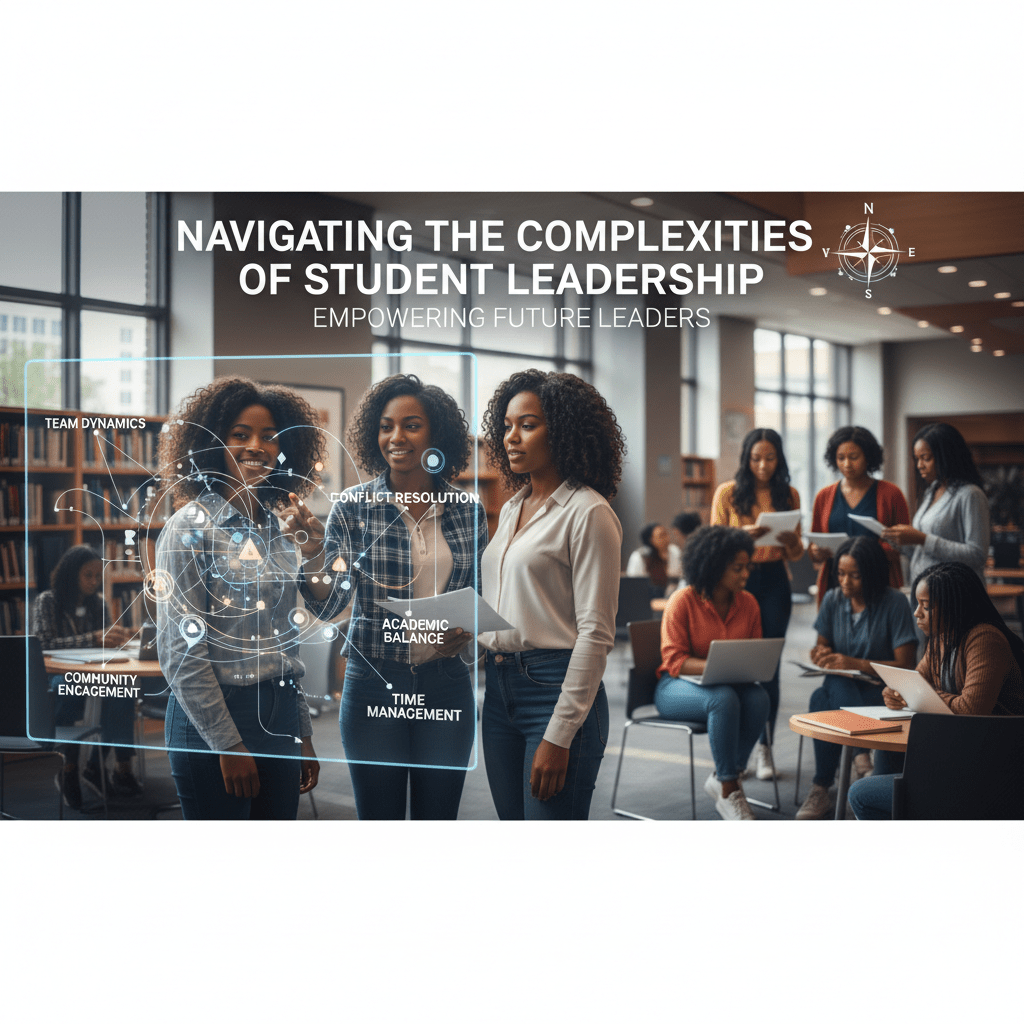
Navigating the Complexities of Student Leadership
Student leadership comes with unique challenges that professional leadership often doesn’t prepare you for. Achsah candidly discusses the difficulties of managing conflicts, being constantly on-call, and maintaining boundaries when your team members are also your friends.
One of the most delicate balancing acts she describes is being both a leader and a friend to people on her board. How do you give feedback to someone you hang out with on weekends? How do you make difficult decisions that might disappoint people you care about personally?
Achsah’s solution was to rely on formal communication channels and maintain professional boundaries even within friendly relationships. She used official platforms for organizational communication, kept meetings structured, and separated social interactions from leadership responsibilities.
This approach protected both the organization and her personal relationships. It allowed her to be honest and direct as a leader without damaging friendships, and it set clear expectations for everyone involved.
These skills translate directly to professional environments where you’ll often work closely with people you genuinely like. The ability to maintain professionalism without sacrificing authenticity is a hallmark of effective leadership.
The episode also touches on the challenges of being on-call as a student leader—the late-night messages, the unexpected crises, the constant sense of responsibility. Achsah’s honesty about these challenges provides a realistic picture of leadership that goes beyond the resume bullets.
Listen to the complete conversation: Lunch with Leaders with Achsah Jojo
Building Something From Nothing
One of Achsah’s most significant contributions to her campus was founding the university’s first hackathon. This project exemplifies her approach to innovation: identify a need, draw inspiration from existing models, and create something accessible for your community.
Achsah’s inspiration came from attending CalHacks, one of the largest collegiate hackathons. She saw the energy, the learning opportunities, and the community-building that happened at these events. Then she looked at her own university and realized they had nothing similar.
Rather than waiting for someone else to create it, she took initiative. She gathered a team, secured funding and sponsorships, handled logistics, and brought the first hackathon to her campus.
This story illustrates an important principle: you don’t need permission to build something new. If you see a gap, you can fill it. If you notice a need, you can address it. You might be a student or early in your career, but that doesn’t disqualify you from creating meaningful initiatives.
The hackathon also demonstrates Achsah’s commitment to making tech more accessible. She didn’t just replicate CalHacks; she adapted the model to serve her specific campus community, ensuring that students who might not otherwise attend hackathons had an opportunity to participate.
This kind of thoughtful community-building creates ripple effects that extend far beyond the immediate event. Students who participated in that first hackathon gained skills, made connections, and had experiences that shaped their careers. That’s the power of taking initiative.
Innovating From Your Own Pain Points
Perhaps the most compelling example of Achsah’s approach to innovation is her AI research project. This wasn’t an abstract academic exercise or a project assigned by a professor. It came directly from her own frustrating experience as a developer.
Achsah spent two days debugging an error in code generated by GitHub Copilot. Two full days. The culprit? Two missing parentheses that the AI had overlooked when generating the code.
Most people would curse, fix the bug, and move on. Achsah saw a research opportunity.
She recognized that if she was struggling with debugging AI-generated code, other developers were too. This was a real problem affecting real people, and it needed a solution. So she developed a research tool specifically designed to help debug code produced by AI assistants.
This project earned her recognition as an Apple Innovation Scholar, which funded her research and opened additional doors. But the recognition came because she started with a genuine problem and worked toward a practical solution.
This “innovate from experience” approach is incredibly valuable for anyone in tech. The best projects often come from your own frustrations and pain points. When you encounter something broken or inefficient, that’s not just an annoyance—it’s potential inspiration for meaningful work.
Achsah also applied to the Apple Innovation Scholars Program at the last minute, demonstrating another key aspect of her philosophy: apply even when you’re not sure you’ll get in. Don’t self-reject. Let the decision-makers make the decision.
The Power of Organic Mentorship
Achsah’s approach to mentorship is refreshingly unforced. By being a visible leader on campus, she naturally attracts peers seeking guidance. She doesn’t position herself as a formal mentor or create rigid mentorship structures. Instead, she makes herself available and shares what she’s learned.
This organic mentorship model works because it’s built on genuine relationships rather than obligation. Students reach out because they’ve seen what Achsah has accomplished and want to learn from her experience. She responds because she remembers being in their position and appreciates the guidance she received from her own professor.
Paying it forward is a central theme in Achsah’s story. The professor who encouraged her to get involved on campus planted a seed that grew into all of her subsequent achievements. Now she’s planting similar seeds for others, creating a cycle of support and guidance.
The episode also reveals one of Achsah’s most valuable networking secrets: be personable and let your personality shine. At professional events and conferences, she doesn’t stick to a technical script or try to impress people with jargon. Instead, she builds genuine connections by discussing non-technical interests and showing up as her authentic self.
This approach is more memorable than any polished elevator pitch. People remember how you made them feel, not the list of technologies you’ve mastered. When you connect with someone over shared interests or experiences, you create a relationship foundation that extends beyond a single conversation.
Achsah emphasizes that being personable doesn’t mean being unprofessional. It means being human. It means recognizing that even in technical fields, relationships matter more than most people realize.
Listen to the complete conversation: Lunch with Leaders with Achsah Jojo
A Legacy Built on Proactivity
As the conversation draws to a close, Achsah reflects on the legacy she hopes to leave. Her core philosophy is simple but powerful: ask and apply for opportunities, even against low odds.
Too many talented people self-reject before they even try. They assume they’re not qualified enough, experienced enough, or ready enough. They look at the requirements for a program or position and decide they don’t measure up.
Achsah’s approach is different. She applies. She asks. She puts herself forward even when she’s uncertain about the outcome. And that willingness to try has opened doors that staying safe never would have.
This proactivity extends beyond applications. It’s about taking initiative in every area of her career and education. When she sees something that needs to exist, she builds it. When she encounters a problem worth solving, she solves it. When she wants to learn something, she finds a way to learn it.
This mindset transforms you from someone waiting for opportunities to someone creating them.
Four Takeaways for Your Own Career
Achsah concludes the episode with practical advice for students and early-career professionals:
1. Start with one step. You don’t need a master plan. Take one action toward involvement or growth and see where it leads.
2. Build genuine networks. Focus on real relationships, not transactional connections. Let your personality show and connect with people as humans, not just professionals.
3. Innovate from your own experiences. Your frustrations and pain points are valuable sources of insight. The problems you encounter might be worth solving not just for yourself but for others.
4. Always plan for succession and sustainability. Whether you’re leading an organization, starting a project, or building something new, think about how it will continue without you. Legacy is about what lasts, not just what you accomplish personally.
These four principles form a blueprint for building a career that’s both personally fulfilling and genuinely impactful.
Why This Conversation Matters
Achsah’s story demonstrates what’s possible when you combine technical skills with human skills like leadership, community-building, and authentic connection. In an era when AI is transforming how we work, these distinctly human capabilities become even more valuable.
By listening to this episode, you’ll gain:
- A roadmap for getting involved and building leadership experience from scratch
- Strategies for balancing multiple commitments without burning out
- Permission to innovate from your own experiences rather than waiting for perfect ideas
- Networking approaches that feel genuine rather than forced
- A framework for thinking about career development proactively rather than reactively
Achsah’s journey isn’t presented as the only path to success, but as one example of what becomes possible when you start with one step and stay committed to growth and community.
Listen and Get Inspired
Whether you’re a computer science student looking for direction, a young professional building your career, or someone interested in how AI and human skills intersect in modern STEM fields, this conversation offers valuable insights and actionable strategies.
Take time to listen to Achsah’s full story, reflect on which aspects resonate most with your current situation, and consider what your own first step might be.
The episode includes detailed timestamps that make it easy to navigate to the topics most relevant to your interests, whether that’s leadership challenges, AI innovation, networking strategies, or career planning.
Listen to the complete conversation: Lunch with Leaders with Achsah Jojo