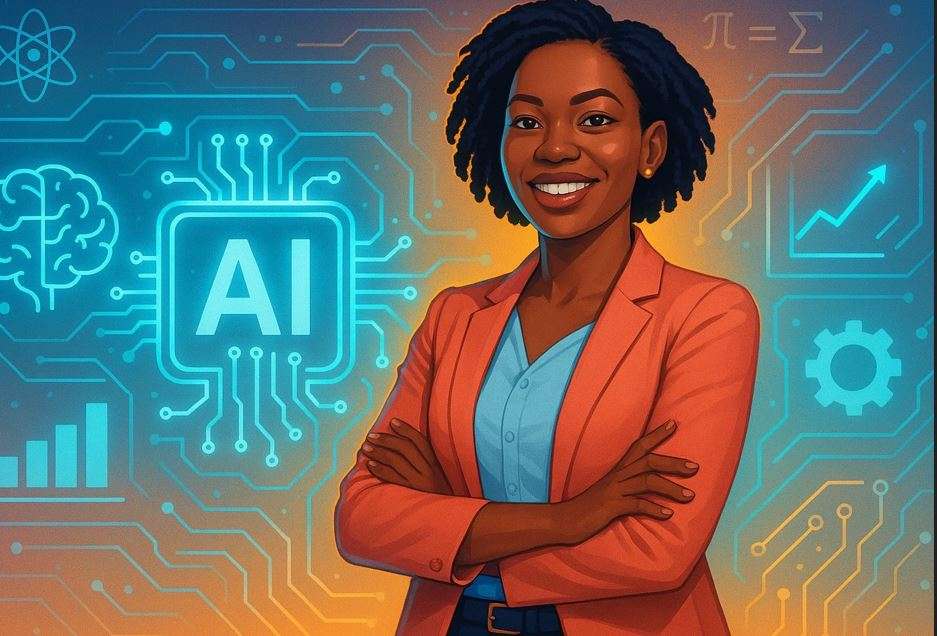
Not so long ago, artificial intelligence (AI) felt like science fiction. Now, it is woven into the fabric of our daily lives, whether we notice it or not. If you are an African woman in STEM, you are probably already seeing the changes: smarter machines, data-driven decisions, and new ways to solve old problems. But here is the reality, AI is not just changing what we do at work, it is changing what is expected of us.
For women in STEM and tech, especially Black and African women, ignoring AI is not a safe option. The world is moving forward at a rapid pace, and those who do not keep up risk being left behind. This is not about fear. It is about understanding that AI is here to stay, and that those who embrace it will shape the future.
In this post, we will explore why understanding AI matters, how it is shifting the way success is measured at work, and what you can do right now to make sure you are not just keeping up, but getting ahead.
AI Is Changing What Employers Look For Fast
Walk into any modern workplace and you will see AI quietly at work. It sorts resumes, predicts customer needs, personalizes recommendations, and even tracks productivity. AI is in HR, finance, supply chains, healthcare, education, and every tech-enabled field. This has huge implications for what employers look for in their teams.
Employers are no longer satisfied with people who only do what has always been done. They want people who can work alongside technology, learn new systems quickly, and bring fresh thinking to the table. AI is automating many routine tasks, such as data entry, scheduling, and even basic analysis. This frees up employees to focus on higher-level problem-solving and creativity. But it also means that simply being “good at your job” is no longer enough.
What Does This Change Mean for African Women in STEM?
- Performance is now measured by how well you adapt: Can you use AI tools to work faster? Can you interpret AI-generated data to make better decisions? These are the new metrics.
- AI literacy is a core job skill: It is not just for data scientists or computer engineers. Everyone, from project managers to researchers, is expected to understand the basics of AI.
- Teams are expected to innovate: The best teams do not just use AI, they find new ways to leverage it for impact.
A 2025 report by Mckinsey & Company highlighted that over 60 percent of employers now look for “AI familiarity” in job candidates, even for non-technical roles. The message is clear: those who learn to work with AI will be seen as leaders, not just doers.
What does “AI familiarity” look like?
- Understanding how AI tools help automate or improve tasks in your field.
- Being open to learning new platforms as they emerge.
- Using AI-driven data to inform your work and decisions.
Why Upskilling Isn’t Optional Anymore
The world of work is always changing, but the pace has never been this fast. To stay competitive, you need to be adaptable, curious, and ready to learn new things. Upskilling is now a must, not a maybe. This is especially true when it comes to AI and data literacy.
You Do Not Need to Be a Programmer
One of the biggest myths is that you have to become a coder or data scientist to benefit from AI. That is simply not true. Many of the most powerful AI tools for the workplace are designed to be user-friendly. You may already use AI when you:
- Schedule meetings with a smart assistant
- Analyze data with Excel or Google Sheets add-ons
- Use translation or transcription tools
- Run automated quality checks on research or code
The key is knowing what these tools can do, how they work, and when to use them.
Why Upskilling Matters More Than Ever
- Closing the skills gap: As AI automates more work, the value of human skills—like judgment, creativity, and empathy—increases. But you need to know how to use AI to amplify these strengths.
- Staying relevant: Roles are evolving. Even traditional fields like biology, healthcare, and engineering now expect some comfort with AI-driven analysis or automation.
- Unlocking new opportunities: Women who upskill are more likely to be tapped for leadership, innovation, and cross-disciplinary roles.
How to Start Upskilling in AI
- Take beginner-friendly courses: Platforms like Coursera, Udemy, and LinkedIn Learning offer AI courses for all levels. Look for “AI for everyone” or “AI in your field.”
- Join workshops and webinars: Many STEM associations like African Women in STEM and women’s networks now offer training on AI basics.
- Ask questions at work: If your team is adopting a new AI tool, volunteer to learn it first. Offer to train others as you learn.
AI Is Quietly Widening the Gender Gap
While AI has the power to open doors, it can also reinforce old biases—unless we are careful. This is especially true for African women in STEM, who may already face challenges around visibility, representation, and access.
How AI Systems Can Perpetuate Bias
AI learns from data. If the data reflects old patterns of discrimination, the AI can “learn” those biases and repeat them. For example:
- Hiring algorithms: If past hires were mostly men, the AI may rank male candidates higher.
- Performance reviews: If reviews favor certain communication styles or cultural backgrounds, AI can amplify those preferences.
- Promotion tracking: AI tools may miss the hidden labor women do—like mentoring or building team morale.
A 2022 study in Nature showed that AI tools used in hiring and promotion often disadvantage women and minorities, unless they are carefully designed and monitored.
Why AI Literacy Is a Justice Issue
If you do not understand how AI works, you cannot spot when it is unfair. This can deepen existing gaps. For African women in STEM, the risk is being overlooked or misjudged by automated systems.
What can you do?
- Learn the basics of how AI systems make decisions.
- Ask questions about how AI is used in your workplace.
- Advocate for transparency in how tools are chosen and evaluated.
- Support diverse teams to reduce bias in AI development and use.
How AI Is Changing Performance Reviews and Career Visibility
In the past, your work was judged mostly by your manager’s opinion and what you could show in meetings or reports. Today, AI is quietly changing how performance is tracked, reviewed, and rewarded.
The Rise of Data-Driven Performance Reviews
- AI tracks your output: Many companies use software that monitors project completion, response times, and even the language used in emails or reports.
- Metrics matter: AI-driven dashboards can highlight who is meeting goals, collaborating well, or taking initiative.
- Spotlighting achievements: Those who know how to document and present their work in ways AI tools can recognize are more likely to be noticed for promotions or special projects.
What Does This Mean for African Women in STEM?
It is not enough to “work hard” or “do good work.” You need to:
- Understand what metrics your company uses.
- Learn how to present your achievements in ways that show up in data.
- Use AI tools to track your own progress and results.
- Advocate for fair measurement systems that recognize all types of contributions—not just those that are easiest to quantify.
What You Can Do Today to Future-Proof Your Career
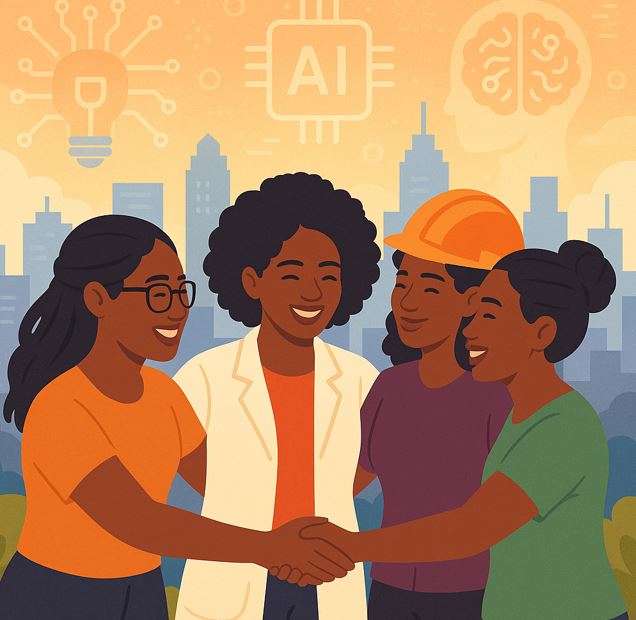
The good news is you do not need to become an AI expert overnight. Small, steady steps can make a big difference. Here is how you can start future-proofing your career now:
1. Explore Beginner-Friendly AI Resources
Start with free or low-cost resources tailored for women in STEM. Look for:
- Webinars from groups like African Women in STEM
- Join workshops with African Women in STEM
- Local or virtual meetups focused on tech upskilling
2. Build a Peer Network
Learning is easier and more fun with others. Find or create a group of colleagues, friends, or mentors who are also interested in AI. Share what you learn, ask questions, and support each other’s growth.
3. Ask for Training at Work
Do not wait for your employer to offer AI training—ask for it. Suggest team workshops, lunch-and-learns, or pilot projects using new tools. Show your manager how AI literacy can benefit the team.
4. Document Your Achievements for AI
Get in the habit of:
- Tracking your results in spreadsheets or project management tools
- Using keywords and clear descriptions so AI systems can “see” your work
- Saving emails or reports that show your impact
5. Stay Curious and Open
AI will keep changing, so commit to lifelong learning. Set aside time every month to read about new tools, listen to podcasts, or try out new apps. Curiosity is your best asset.
Addressing the Emotional Side: Change, Fear, and Possibility
Let’s be honest: change is hard. The idea of learning AI can be intimidating, especially if you are already juggling work, family, and community responsibilities. It is normal to feel nervous or even resistant. Here are some common fears and how to address them:
Fear 1: “I’m Not Technical Enough”
You do not need to become a coder. Many AI tools are designed for non-programmers. Start small and build confidence over time.
Fear 2: “I Don’t Have Time”
You do not need to learn everything at once. Set aside 30 minutes a week to explore a new tool or read an article. Progress adds up.
Fear 3: “I’ll Never Catch Up”
Technology will always keep changing. The goal is not to “catch up” but to keep moving forward, one step at a time.
Inspiration: Your Unique Strengths Matter
African women in STEM bring unique perspectives, resilience, and creativity. AI needs diversity of thought. By becoming AI literate, you are not just future-proofing your own career—you are helping shape a more fair and inclusive future for everyone.
Building an Inclusive AI Future
AI is not neutral. It reflects the values and priorities of those who build and use it. That is why it is so important for African women in STEM to be at the table—designing, testing, and guiding how AI is used.
How You Can Influence the Future of AI
- Join conversations: Participate in forums, panels, or online groups focused on ethical AI.
- Mentor others: Share your learning journey with younger women and students in STEM.
- Advocate for fairness: Push for transparency and inclusivity in how AI is used at your workplace or school.
Organizations and Movements to Follow
Conclusion
Ignoring AI is no longer an option for anyone who wants to build a meaningful, lasting career. For African women in STEM, the stakes are even higher. AI literacy is not just about keeping your job. It is about shaping your future, gaining visibility, and making sure your voice is heard in a world driven by data.
Start where you are. Take one step toward AI literacy this week. Join a group, sign up for a course, ask a colleague, or just experiment with a new tool. The sooner you start, the stronger your career will be—and the more impact you can have for yourself and your community.
Remember, AI will not replace you. But ignoring it might. Your skills, your story, and your vision are more important than ever. Let’s make sure the future of STEM includes your voice at every table.
If you are looking for support, mentorship, or a place to share your journey, join the African Women in STEM community at africanwomeninstem.com. You belong here, and your future is bright.