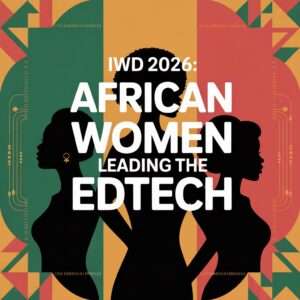
When a young girl in Addis Ababa learns to code, when an entrepreneur in Lagos builds technology that transforms healthcare, when an innovator in Nairobi creates tools that empower communities across the continent, they are proving something powerful: African women are not just participating in the global technology revolution. They are leading it.
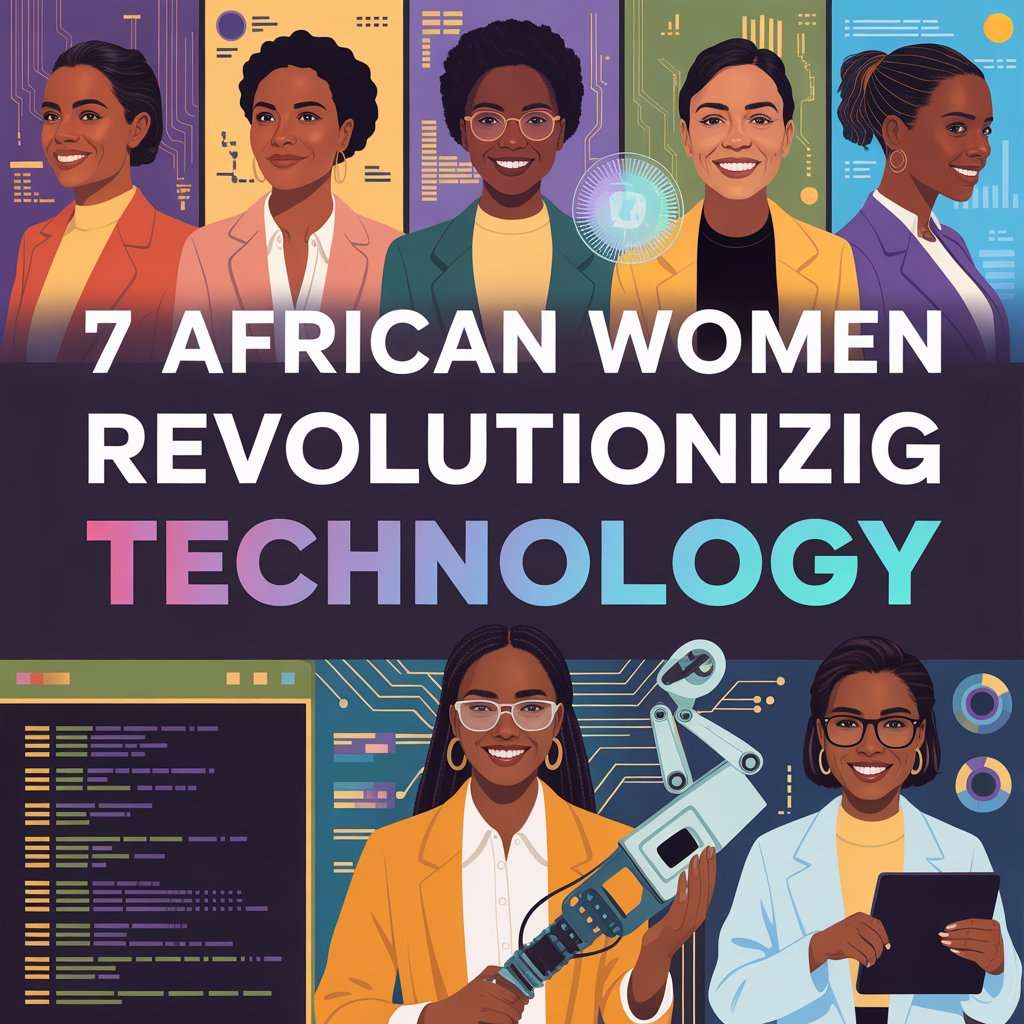
This International Women’s Day 2026, we celebrate seven extraordinary African women who are reshaping technology in Africa. These are not just success stories. These are women who saw problems in their communities and built technological solutions. Women who faced barriers and broke through them. Women who are now opening doors for the next generation.
Their achievements matter because representation matters. When girls see women who look like them leading technology companies, inventing groundbreaking solutions, and commanding respect in tech spaces globally, it expands what they believe is possible for their own futures.
Let’s celebrate these brilliant minds who are proving that the future of African technology is female.

Betelhem Dessie – Image: Career Girls
1. Betelhem Dessie: Democratizing Tech Education for Ethiopia’s Youth
Betelhem Dessie started coding at age 9 out of necessity. When her father couldn’t afford to celebrate her birthday, she took matters into her own hands, learning video editing and computer maintenance in her father’s electronics shop in Harar, Ethiopia. By age 10, she had written her first software program. By 12, she was employed as a developer by the Ethiopian government.
Today, as Founder and CEO of iCog-Anyone Can Code, Betelhem is ensuring that thousands of Ethiopian children don’t have to wait for necessity to discover their potential in technology.
She established iCog-Anyone Can Code in 2020 after starting as an initiative in 2016, has empowered over 30,000 students across Ethiopia with coding, robotics, and AI skills. Working with a team of 60 talented individuals including 40 mentors and trainers, Betelhem’s organization democratizes access to technology education for children and young adults ages 6 to 28.
Betelhem created the Digitruck, a mobile off-the-grid classroom equipped with laptops, 3D printers, and other electronic materials that travels to remote areas of Ethiopia.Her “for (her)” initiative specifically targets girls in public high schools, addressing the gender gap in STEM fields with coding education designed exclusively for young women.
CNN named her “the youngest pioneer in Ethiopia’s fast emerging tech scene,” known as Sheba Valley. Her story appears in the “Rebel Girls 100 Change Makers” children’s book, and she received the “Young Technologist Award” from Booking.com’s Tech Playmakers Awards.
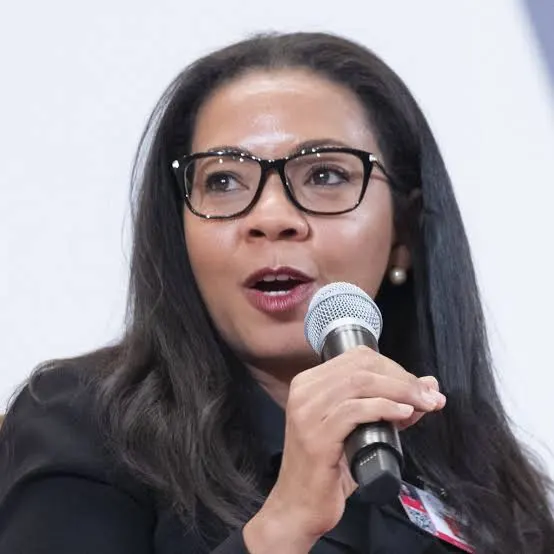
Rebecca Enonchong – Image: Empower Africa
2. Rebecca Enonchong: The Godmother of African Tech
Cameroonian tech entrepreneur Rebecca Enonchong has been building technology solutions for Africa for over two decades, earning her the title “Godmother of African Tech.”
As founder and CEO of AppsTech, Rebecca has spent more than 20 years providing enterprise application solutions to help African businesses operate more efficiently. Her work focuses on the critical but often overlooked infrastructure that enables businesses to scale and compete globally.
AppsTech delivers enterprise software solutions that streamline operations, improve productivity, and enable African companies to leverage technology for growth. This foundational work matters because digital infrastructure is essential for economic development.
Beyond her company, Rebecca serves as board member and advisor to numerous African tech startups and initiatives. She uses her platform and experience to advocate for African entrepreneurs on the global stage, ensuring that African innovation gets the recognition and investment it deserves.
Through her social media presence and speaking engagements, Rebecca has become a powerful voice for African tech, challenging stereotypes and highlighting the continent’s innovation ecosystem.
Understanding how to position yourself for leadership advancement is crucial for women in technology who want to create the kind of systemic impact that Rebecca has achieved throughout her career.
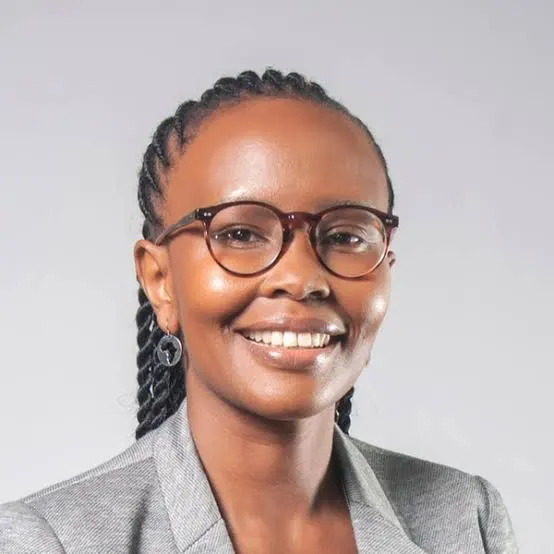
Juliana Rotich – DLD News
3. Juliana Rotich: Technology for Crisis Response and Rural Connectivity
Kenyan technologist Juliana Rotich co-founded two groundbreaking platforms that address critical challenges: crisis response and rural internet connectivity.
As co-founder of Ushahidi, Juliana helped create a platform that revolutionized how communities respond to crises. Ushahidi, which means “testimony” in Swahili, allows people to crowdsource crisis information through SMS and other channels, creating real-time maps of events during emergencies.
The platform was initially developed in response to Kenya’s 2008 post-election violence, allowing citizens to report incidents via text message when traditional communication channels failed. Since then, Ushahidi has been deployed worldwide during earthquakes, tsunamis, elections, and other crisis situations.
Recognizing that reliable internet access remains a barrier to opportunity across Africa, Juliana co-founded BRCK, a rugged, portable WiFi device designed for challenging environments with unreliable power and connectivity.
BRCK addresses a fundamental problem: how do you stay connected in places where infrastructure is unreliable? The device automatically switches between multiple connectivity options and includes battery backup, making internet access possible even in remote or infrastructure-poor areas.
This “backup generator for the internet” has applications far beyond Africa, but it was designed specifically with African challenges in mind, demonstrating how solving for Africa’s toughest problems creates solutions with global relevance.

Odunayo Eweniyi – Image: Connecting Africa
4. Odunayo Eweniyi: Building Financial Inclusion Through Fintech
Nigerian tech entrepreneur Odunayo Eweniyi co-founded PiggyVest, one of Nigeria’s leading fintech platforms, making financial services accessible to millions of Africans who were previously excluded from formal banking.
For many users, PiggyVest represents their first formal savings account and introduction to investment opportunities.
The platform has helped millions of Nigerians develop savings habits, plan for goals, and access investment products that were previously available only to wealthy individuals with traditional bank accounts.
Odunayo’s work directly addresses financial exclusion, a critical barrier to economic mobility in Africa. By creating technology that meets people where they are, using tools they already have like mobile phones, PiggyVest makes financial services accessible regardless of location or income level.
The company has grown to become one of Nigeria’s most successful fintech startups, processing billions of Naira in savings and investments. This success demonstrates the enormous market opportunity in solving real problems for everyday Africans.
Beyond building her company, Odunayo actively advocates for more women in technology and entrepreneurship. She speaks openly about the challenges women founders face accessing funding and networks, using her platform to push for systemic change.
Her visibility as a successful female founder in Nigeria’s male-dominated tech ecosystem provides inspiration and proof of possibility for young women considering technology careers or entrepreneurship.

Charlette N’Guessan – Image: SwissCognitive
5. Charlette N’Guessan: AI Innovation Recognized Globally
Ivorian software engineer Charlette N’Guessan made history as the first woman to win the Africa Prize for Engineering Innovation for her work on facial recognition technology designed specifically for Africa.
Charlette developed BACE API, a facial recognition system trained on African faces to address the reality that most facial recognition technology performs poorly on darker skin tones because it’s trained primarily on lighter-skinned faces.
This innovation matters because identity verification is fundamental to accessing services from banking to healthcare. When facial recognition systems don’t work well for African faces, they create barriers to these essential services.
As the first woman to win the Royal Academy of Engineering’s Africa Prize for Engineering Innovation, Charlette’s achievement breaks important ground. The award came with prize money and support to scale her innovation, but perhaps more importantly, it positioned her as a role model for African women in engineering.
Learning how to optimize for impact rather than just usefulness helped Charlette position her work for maximum recognition and scale, demonstrating why strategic career thinking matters alongside technical excellence.
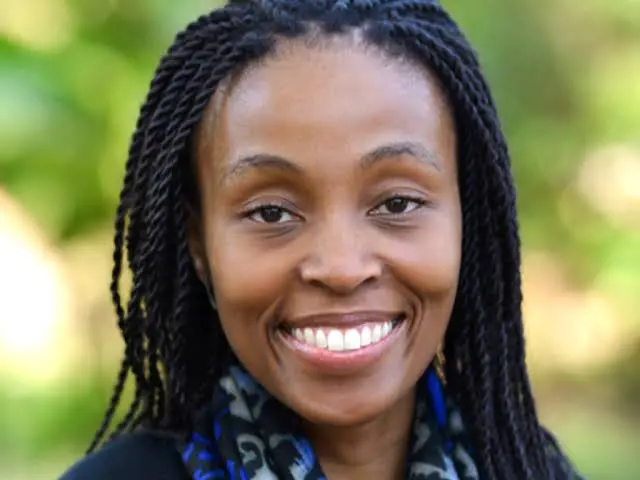
Rapelang Rabana – Image: Imagine Worldwide
6. Rapelang Rabana: EdTech Pioneer and Serial Entrepreneur
South African entrepreneur Rapelang Rabana built her first company at age 22 and has since become one of Africa’s most respected technology entrepreneurs and thought leaders.
As founder of Rekindle Learning, Rapelang created a platform that delivers bite-sized learning content to mobile phones, making professional development accessible to people who might not have time for traditional courses or access to computers.
Rapelang is known for her thoughtful analysis of technology’s impact on society and her willingness to challenge the tech industry’s assumptions. She speaks and writes extensively about the ethics of technology, the responsibilities of tech companies, and the need for more diverse voices in technology development.
Her perspectives on AI, data privacy, and technology’s social impact are sought after at conferences globally. She uses her platform to ensure African voices and concerns are part of global conversations about technology’s future.
Beyond her entrepreneurial work, Rapelang actively mentors emerging entrepreneurs and contributes to building South Africa’s technology ecosystem. She serves as an advisor and board member for various organizations, sharing her experience to help others succeed.

Temie Giwa-Tubosun – Image: The Benchmark
7. Temie Giwa-Tubosun: Healthcare Technology Saving Lives
Nigerian healthcare entrepreneur Temie Giwa-Tubosun founded LifeBank, a technology platform that uses data, smart logistics, and technology to deliver life-saving medical products to hospitals in Nigeria.
LifeBank addresses a deadly problem: healthcare facilities often lack essential medical supplies like blood, oxygen, and vaccines when they need them most, leading to preventable deaths. The platform connects hospitals with suppliers and uses optimized logistics to ensure rapid, reliable delivery.
For blood specifically, LifeBank maintains a network of blood banks and uses technology to match supply with demand quickly. The company also works on vaccine distribution, helping ensure that vaccines reach communities that need them with proper cold chain management, a critical challenge in countries with unreliable electricity.
Temie’s work has earned recognition including being named to Fortune’s 40 Under 40 list and receiving numerous healthcare innovation awards. More importantly, LifeBank has delivered thousands of units of blood and medical supplies, directly saving lives across Nigeria.
Why These Stories Matter for African Women in STEM
These seven women represent diverse technology fields, from artificial intelligence and fintech to crisis response and healthcare logistics. Yet their stories share common threads that offer lessons for aspiring technologists and entrepreneurs.
Solving Real Problems Creates Real Value
Every one of these women identified actual problems affecting their communities and built technology to solve them. They didn’t chase trends or copy Western business models. They looked at challenges around them and asked, “How can technology help?”
This approach not only creates more relevant solutions but also builds sustainable businesses. When you solve real problems for real people, you create genuine value that customers will pay for.
Representation Transforms What’s Possible
When Betelhem Dessie teaches girls to code, when Odunayo Eweniyi speaks about her journey as a female founder, when Charlette N’Guessan wins international engineering prizes, they’re not just achieving personal success. They’re changing what young African girls believe is possible for themselves.
Representation matters because it’s hard to become what you can’t see. These women provide visible proof that African women can build successful technology companies, create cutting-edge innovations, and compete on the global stage.
Mentorship Multiplies Impact
Notice how many of these women prioritize mentoring the next generation. Betelhem trains thousands of students. Rebecca advocates for African entrepreneurs globally. Rapelang actively mentors emerging founders.
This commitment to lifting others reflects understanding that sustainable change requires more than individual achievement. It requires building ecosystems where more women can succeed.
Technology Creates Opportunity for Women
Technology levels playing fields in ways that traditional industries often don’t. You can build a successful tech company from anywhere with an internet connection. Technical skills are increasingly valued regardless of gender or traditional credentials.
For African women facing multiple barriers in traditional career paths, technology offers opportunities to create their own paths, build companies on their own terms, and compete based on the quality of their solutions rather than their connections or backgrounds.
Research shows that increasing diversity in technology improves innovation and outcomes. When women are fully included in technology development, we create solutions that work better for everyone.
Join the African Women in STEM Community
If these stories inspire you, recognize that you’re not meant to navigate your technology career alone. The African Women in STEM community exists to support women like you who are creating impact through science, technology, engineering, and mathematics.
Join the African Women in STEM Membership Today
Together, we’re building a future where every African girl knows she belongs in technology and has the support she needs to reach her full potential.
Your Technology Journey Matters
This International Women’s Day 2026, we celebrate not just these seven innovators. We also celebrate every African woman building technology solutions, learning to code, starting companies, or working to make technology more inclusive and impactful.
The next generation of African girls is watching. When you pursue your technology dreams, share your journey, and support other women, you’re showing them what’s possible. You’re proving that African women belong in every technology field, at every level of leadership.
Happy International Women’s Day 2026. The future of African technology is female, and it includes you.
Follow on Social Media
- Follow African Women in STEM on LinkedIn
- Follow African Women in STEM on Instagram
- Follow Adaeze Iloeje-Udeogalanya on LinkedIn